How Physical Therapy Helps After Surgery
December 1, 2025
CDiPhone: A Complete Guide to Apple’s Multi-Function Smart Device Concept
December 2, 2025
As we age, our bodies naturally undergo changes. Muscles may weaken, joints may stiffen, and balance can become a concern. However, physical therapy offers seniors a powerful tool to maintain mobility, independence, and overall quality of life. Whether recovering from surgery, managing chronic conditions, or simply aiming to stay active, physical therapy provides strategies and exercises tailored to seniors’ unique needs.
This article explores practical tips, exercises, and lifestyle adjustments seniors can adopt to make the most of physical therapy, all while staying safe and motivated.
Why Physical Therapy is Essential for Seniors
Physical therapy (PT) is more than just exercises—it’s a holistic approach to improving strength, flexibility, balance, and functional abilities. For seniors, PT can help:
- Maintain Mobility: Gentle exercises help keep joints flexible and muscles strong, allowing seniors to move freely.
- Prevent Falls: Balance and coordination exercises reduce the risk of falls, which are a major concern in older adults.
- Manage Chronic Conditions: PT can ease symptoms of arthritis, osteoporosis, diabetes, and heart disease.
- Recover from Surgery or Injury: Tailored rehabilitation programs help seniors regain strength and function after hip replacements, knee surgeries, or fractures.
- Improve Overall Health: Physical activity enhances circulation, boosts mood, and supports mental well-being.
Tips for Seniors to Maximize Physical Therapy Benefits
Here are practical tips for seniors to get the most out of physical therapy sessions and maintain health at home.
1. Set Realistic Goals
Before starting therapy, work with your physical therapist to establish clear and achievable goals. These could include:
- Walking independently for a certain distance
- Reducing joint pain
- Improving balance to prevent falls
Setting realistic goals helps you stay motivated and track progress.
2. Follow a Consistent Routine
Consistency is key. Attending scheduled sessions and performing home exercises regularly ensures steady progress. Even 10–15 minutes daily can make a difference.
3. Communicate Openly With Your Therapist
Be honest about any pain, discomfort, or difficulties during exercises. Physical therapists can adjust routines to ensure safety and effectiveness.
4. Focus on Balance and Coordination
Falls are a major risk for seniors. PT exercises often include:
- Standing on one leg while holding a chair for support
- Heel-to-toe walking
- Gentle yoga or tai chi
These exercises strengthen muscles and improve balance over time.
5. Strength Training is Important
Muscle loss occurs naturally with age, but gentle strength training can reverse this trend. Recommended exercises include:
- Light weightlifting or resistance bands
- Chair squats or sit-to-stand exercises
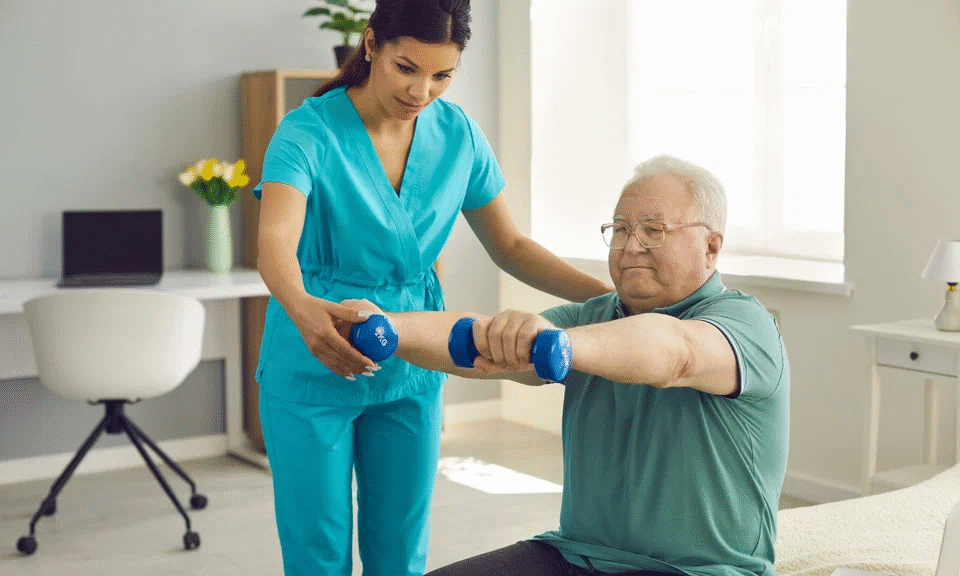
- Arm raises with light dumbbells
Stronger muscles improve mobility and make daily activities easier.
6. Improve Flexibility
Stretching keeps joints supple and reduces stiffness. Simple stretches for seniors include:
- Shoulder rolls
- Neck stretches
- Hamstring stretches
- Gentle spinal twists
Consistency is more important than intensity—avoid overstretching.
7. Pay Attention to Posture
Good posture reduces strain on joints and muscles. Physical therapy often includes exercises to strengthen the core and back muscles, which support proper posture.
8. Stay Hydrated and Eat Well
Proper hydration and nutrition support muscle health and recovery. Seniors should aim for a diet rich in:
- Lean proteins for muscle repair
- Calcium and vitamin D for bone strength
- Fruits and vegetables for antioxidants and overall health
9. Use Assistive Devices Wisely
Canes, walkers, or grab bars can provide support during exercises and daily activities. Your therapist can guide you on proper use to avoid injuries.
10. Practice Mindfulness and Patience
Recovery takes time. Celebrate small improvements, and don’t rush exercises. Mindfulness practices, like meditation or deep breathing, can reduce stress and enhance body awareness.
Safe Home Exercises for Seniors
Physical therapy isn’t limited to clinics. Many safe exercises can be done at home to supplement therapy sessions:
- Seated Marching: While sitting, lift your knees alternately as if marching in place. This improves circulation and strengthens leg muscles.
- Heel Raises: Hold onto a chair and rise onto your toes, then slowly lower back down. Helps strengthen calves and improve balance.
- Mini Squats: Stand with feet hip-width apart, bend knees slightly as if sitting back into a chair, then return to standing. Builds leg strength.
- Arm Circles: Extend arms to the side and make small circles, gradually increasing size. Improves shoulder mobility.
- Wall Push-Ups: Stand facing a wall, place hands on the wall, and perform push-ups against the wall. Strengthens chest and arm muscles safely.
Always consult a physical therapist before starting new exercises, especially if you have medical conditions or recent surgeries.
Mental and Emotional Benefits of Physical Therapy
Physical therapy isn’t just about physical health. Regular PT sessions provide:
- Confidence: Improved mobility reduces fear of falls.
- Independence: Seniors can perform daily tasks more easily.
- Mood Boost: Exercise releases endorphins, which improve mood and reduce anxiety or depression.
- Cognitive Health: Certain exercises stimulate coordination and brain activity, supporting mental sharpness.
Staying active keeps seniors engaged, socially connected, and mentally alert.
Tips for Caregivers
Caregivers play a vital role in seniors’ physical therapy success. Here’s how:
- Encourage consistent attendance and exercise routines
- Help set up a safe home environment for exercises
- Monitor progress and report concerns to the therapist
- Celebrate small achievements to boost motivation
Support and encouragement make therapy more enjoyable and effective.
Common Challenges and How to Overcome Them
Seniors may face obstacles while doing physical therapy:
- Pain During Exercise: Communicate with your therapist. Adjustments or warm-up stretches can help.
- Limited Motivation: Set small, achievable goals and track progress. Group sessions can be motivating.
- Fear of Falling: Use support devices and start with low-risk exercises. Gradually increase difficulty.
- Chronic Health Conditions: PT programs are customizable. Therapists can work around limitations safely.
Remember, setbacks are normal. Persistence and proper guidance ensure long-term benefits.
5 Frequently Asked Questions (FAQs)
1. How often should seniors do physical therapy?
Most seniors benefit from 2–3 sessions per week, along with daily home exercises. Frequency depends on individual needs and therapist recommendations.
2. Is physical therapy safe for seniors with arthritis?
Yes. PT exercises are tailored to reduce joint strain while improving strength, flexibility, and mobility.
3. Can seniors prevent falls through physical therapy?
Absolutely. Balance and coordination exercises are specifically designed to reduce fall risk by strengthening muscles and improving stability.
4. How long does it take to see results?
Some improvements can be noticed within a few weeks, but full benefits usually take 2–3 months of consistent therapy.
5. Do I need a doctor’s referral for physical therapy?
In many areas, seniors can access physical therapy without a referral, but it’s often recommended to consult a doctor first, especially after surgery or major health issues.
Conclusion
Physical therapy is a cornerstone of healthy aging. By combining professional guidance, consistent exercise, and lifestyle adjustments, seniors can maintain independence, prevent falls, manage chronic conditions, and improve overall well-being. The key is to stay consistent, communicate openly with your therapist, and celebrate every small victory along the way. Aging doesn’t mean slowing down—physical therapy empowers seniors to move confidently, safely, and joyfully every day.