How Physical Therapy Helps After Surgery: A Complete Guide
December 1, 2025
How to Maintain Reproductive Health Naturally
December 1, 2025
Maintaining balance and mobility is essential for living an active and independent life. Good balance prevents falls, improves posture, and enhances daily activities, while mobility ensures your joints and muscles function properly. Whether you are young, aging, recovering from an injury, or just looking to stay fit, improving balance and mobility can significantly enhance your quality of life. In this article, we’ll explore practical tips, exercises, and lifestyle habits to help you stay steady and move freely.
Why Balance and Mobility Matter
Balance is your body’s ability to maintain its center of gravity, whether you’re standing still, walking, or performing daily tasks. Poor balance increases the risk of falls, which can lead to injuries, especially in older adults. Mobility refers to your ability to move joints freely and comfortably. Limited mobility can cause stiffness, pain, and difficulty performing normal activities, reducing independence.
By focusing on balance and mobility, you improve coordination, prevent injuries, maintain muscle strength, and increase overall confidence in movement.
Simple Lifestyle Habits to Improve Balance
- Stay Active Daily
Moving your body regularly is the easiest way to maintain balance and mobility. Walking, swimming, cycling, or even gardening can strengthen muscles and improve coordination. Aim for at least 30 minutes of physical activity most days of the week. - Eat a Nutrient-Rich Diet
Your muscles, bones, and joints need proper nutrition to function well. Include foods rich in calcium, vitamin D, protein, and antioxidants. These nutrients strengthen bones, reduce inflammation, and support muscle function. - Get Enough Sleep
Lack of sleep affects focus, coordination, and reaction time, increasing the risk of falls. Ensure you get 7–9 hours of quality sleep each night to allow your body to repair and restore itself. - Maintain a Healthy Weight
Excess weight puts extra strain on your joints, affecting mobility. Losing or maintaining a healthy weight reduces stress on knees, hips, and ankles, making movement easier.
Effective Exercises to Improve Balance
Balance and mobility exercises don’t need fancy equipment—they can be done at home safely. Here are some effective exercises:
1. Heel-to-Toe Walk
- Stand straight and place one foot directly in front of the other, heel to toe.
- Take slow, deliberate steps while keeping your eyes forward.
- Repeat for 10–15 steps, turn around, and come back.
Benefits: Improves walking stability and coordination.
2. Single-Leg Stands
- Stand on one leg while holding a chair for support if needed.
- Hold for 10–30 seconds, then switch legs.
- To increase difficulty, close your eyes or lift the other leg slightly.
Benefits: Strengthens lower body muscles and improves balance.
3. Leg Swings
- Stand next to a wall or chair for support.
- Swing one leg forward and backward in a controlled motion.
- Repeat 10–15 times per leg.
Benefits: Enhances hip flexibility and mobility.
4. Hip Circles
- Stand with feet shoulder-width apart.
- Rotate your hips in a circular motion clockwise and counterclockwise.
- Perform 10 rotations each way.
Benefits: Increases hip mobility and loosens lower back muscles.
5. Tai Chi or Yoga
- Both practices focus on slow, controlled movements and deep breathing.
- Join a beginner class or follow online videos for guided routines.
Benefits: Improves balance, posture, flexibility, and mind-body coordination.
6. Strength Training
- Exercises like squats, lunges, calf raises, and resistance band workouts build leg strength.
- Strong muscles support joints and improve stability.
Benefits: Reduces risk of falls and enhances mobility.
Tips to Improve Mobility
- Stretch Regularly
Stretching keeps muscles flexible and joints healthy. Focus on major areas like hips, hamstrings, calves, shoulders, and back. Hold each stretch for 20–30 seconds. - Warm Up Before Exercise
Always start with gentle movements like walking, arm circles, or ankle rotations before intense workouts. This prevents injuries and prepares your body for activity. - Stay Hydrated
Dehydration affects joint lubrication and muscle function. Drink plenty of water throughout the day to maintain smooth movement. - Use Proper Footwear
Supportive shoes help maintain balance and prevent slips. Avoid high heels or worn-out shoes that can throw off your stability. - Move Mindfully
Pay attention to how you move during daily activities. Avoid rushing, take small steps on uneven surfaces, and use handrails when needed.
Advanced Tips for Seniors
For older adults, improving balance and mobility is especially crucial to prevent falls. Some additional strategies include:
- Balance Boards or Stability Balls: These tools challenge your balance safely when supervised.
- Assisted Walking Exercises: Using poles or rails can help practice safe movement.
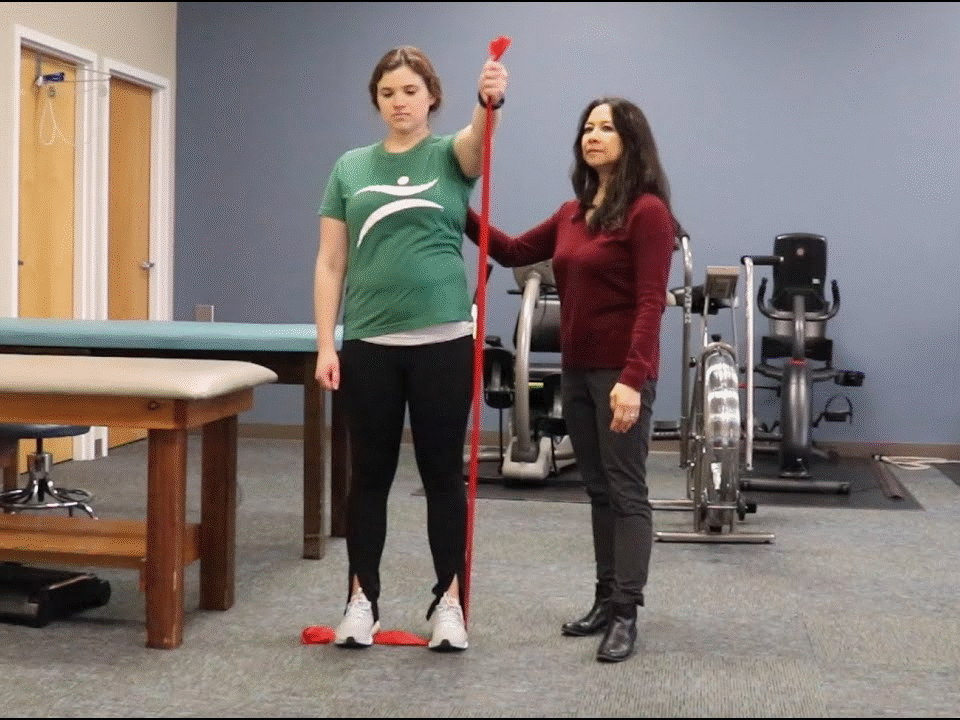
- Physical Therapy: A trained therapist can design a personalized program for balance, mobility, and strength.
Benefits of Improved Balance and Mobility
- Reduces Risk of Falls and Injuries
- Enhances Athletic Performance
- Improves Posture and Core Strength
- Supports Independence in Daily Life
- Boosts Confidence and Mental Wellbeing
Final Thoughts
Improving balance and mobility doesn’t require extreme workouts or complicated routines. By incorporating simple exercises, staying active, maintaining a healthy lifestyle, and being mindful of your movements, you can enhance stability, flexibility, and overall movement quality. Start small, be consistent, and gradually challenge yourself. Over time, you’ll notice greater confidence in your ability to move freely and safely.
Frequently Asked Questions (FAQs)
1. How long does it take to improve balance and mobility?
Improvement varies by individual, but consistent practice 3–5 times a week often shows noticeable results in 4–6 weeks. Seniors or those recovering from injuries may need more time.
2. Can improving balance help with chronic pain?
Yes. Strengthening muscles and improving mobility can reduce joint strain and prevent pain caused by instability or improper movement patterns.
3. Are balance exercises safe for beginners?
Absolutely. Start with simple exercises like single-leg stands or heel-to-toe walks while holding onto a chair. Gradually increase difficulty as your stability improves.
4. Is it necessary to use equipment for balance training?
No. Many effective balance and mobility exercises can be done using your body weight, a chair, or a wall for support. Equipment can enhance difficulty but is optional.
5. Can children benefit from balance and mobility exercises?
Yes. Developing balance and coordination early improves athletic performance, prevents injuries, and supports overall physical development.