
Nahttypen: Understanding the Different Types of Seams in Sewing and Their Applications
November 27, 2025
Gastroenterology: A Complete Guide to Digestive Health
December 1, 2025
As the world continues to shift towards sustainable energy solutions, the importance of renewable energy technologies like solar power becomes increasingly evident. Among the many innovative solar energy solutions, HMS Photovoltaik stands out as a key player in harnessing the sun’s energy and converting it into electricity through advanced photovoltaic (PV) technology. This comprehensive guide will explore what HMS Photovoltaik is, how it works, its benefits, applications, and why it’s an essential component of the future of energy.
HMS Photovoltaik has revolutionized solar energy by improving the efficiency, sustainability, and cost-effectiveness of photovoltaic systems. This article aims to provide an in-depth understanding of HMS Photovoltaik, its impact on the solar energy industry, and how it contributes to reducing our reliance on fossil fuels.
What is HMS Photovoltaik?
HMS Photovoltaik refers to a solar energy technology that harnesses sunlight and converts it into electrical energy using photovoltaic cells. The “HMS” in HMS Photovoltaik likely refers to a specific company, system, or brand that focuses on solar solutions, although the concept of photovoltaic energy is universal. Photovoltaics (PV) are devices that capture light from the sun and convert it into usable electricity, primarily through the photovoltaic effect.
Solar power is one of the most abundant and clean sources of energy available today. HMS Photovoltaik systems utilize solar panels made of photovoltaic cells, which absorb sunlight and produce electricity. This electricity can be used for a wide range of applications, from powering homes to large industrial complexes.
Key Features of HMS Photovoltaik:
- Solar energy conversion: HMS Photovoltaik systems convert sunlight into electricity efficiently and sustainably.
- Environmental sustainability: Solar energy is a clean, renewable source that doesn’t emit harmful pollutants or greenhouse gases.
- Scalability: HMS Photovoltaik systems can be designed for residential, commercial, and industrial use, making them versatile in their application.
How Does HMS Photovoltaik Work?
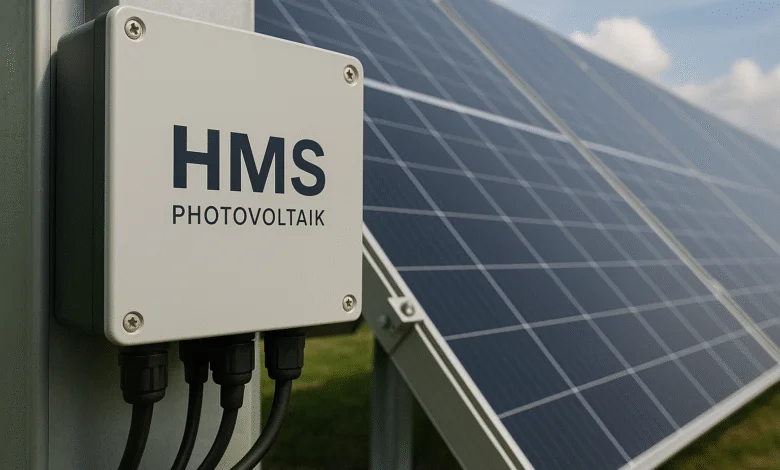
Understanding the technology behind HMS Photovoltaik requires a basic understanding of how photovoltaic cells function. The process involves the direct conversion of light energy into electrical energy through the photovoltaic effect. Here’s how it works step by step:
A. Absorption of Sunlight
The first step in the process is the absorption of sunlight by photovoltaic cells. Photovoltaic panels consist of layers of semiconducting material, often silicon, that can absorb photons from sunlight. The energy from these photons excites the electrons in the material, creating an electric charge.
B. Generation of Electron Movement
Once the photons are absorbed by the semiconductor material, they cause electrons to become excited and move freely. This movement of electrons is crucial, as it generates an electric current. The movement of these electrons creates a flow of electricity, which can be harnessed for use.
C. Flow of Electricity
The excited electrons are directed into an electrical circuit, where they flow in a specific direction. This flow of electrons is what we recognize as electricity. By connecting multiple photovoltaic cells together into solar panels, HMS Photovoltaik systems can generate sufficient electricity for residential or commercial use.
D. Inverter Conversion
The electrical current generated by photovoltaic cells is direct current (DC), but most homes and businesses use alternating current (AC). To make this energy usable, the DC electricity is fed into an inverter that converts it to AC electricity. This is the electricity that powers your home, appliances, and other electrical devices.
E. Storage and Distribution
In many cases, excess electricity generated by the solar panels is stored in batteries for later use, especially during cloudy days or nighttime. Alternatively, excess electricity can be fed back into the power grid, where it can be distributed to other consumers, allowing homeowners or businesses to earn credits or compensation.
The Components of an HMS Photovoltaik System
To fully understand how HMS Photovoltaik works, it’s important to break down the components of a photovoltaic system. These components work together to harness solar energy, convert it into electricity, and store or distribute that energy.
A. Photovoltaic Panels
Photovoltaic panels are the primary component of HMS Photovoltaik systems. These panels consist of numerous photovoltaic cells that work together to absorb sunlight and generate electricity. The panels are typically mounted on rooftops or open spaces where they can receive maximum sunlight exposure.
B. Inverters
The inverter is a crucial component in any photovoltaic system, as it converts the DC electricity generated by the panels into AC electricity, which can be used by standard electrical appliances. Modern inverters are highly efficient and may come with additional features like monitoring systems that track energy production and usage.
C. Batteries (Optional)
For homeowners or businesses that wish to store excess energy, batteries are used to capture and store the electricity generated by the solar panels. This stored energy can then be used when sunlight is not available, such as during the night or on cloudy days. Popular battery options include lithium-ion and lead-acid batteries.
D. Mounting Systems
Photovoltaic panels need to be mounted securely to maximize their exposure to sunlight. Mounting systems can be installed on rooftops, the ground, or even on walls. These systems are designed to keep the panels at the optimal angle for capturing sunlight.
E. Wiring and Electrical Components
The wiring and electrical components are essential for connecting the various parts of the photovoltaic system. This includes cables to connect the panels to the inverter, as well as other components such as breakers, fuses, and safety equipment to ensure the system functions efficiently and safely.
The Benefits of HMS Photovoltaik
HMS Photovoltaik offers several compelling benefits that make it an attractive option for individuals, businesses, and even governments looking to reduce their environmental footprint and energy costs. Let’s take a closer look at the key advantages of using HMS Photovoltaik.
A. Renewable Energy Source
Solar energy is renewable and inexhaustible. As long as the sun continues to shine, HMS Photovoltaik systems will be able to generate power. This makes it a sustainable solution for long-term energy production, unlike fossil fuels, which are finite resources.
B. Cost Savings
While the initial investment in a photovoltaic system can be significant, the long-term savings can be substantial. Once installed, HMS Photovoltaik systems generate free electricity, significantly reducing or eliminating monthly electricity bills. Additionally, there are often incentives and rebates available to make solar installation more affordable.
C. Low Maintenance
HMS Photovoltaik systems are low-maintenance. Solar panels typically only require cleaning a few times a year and may need occasional checks to ensure the inverter and other components are functioning properly. Solar panels are also designed to last for decades, with warranties often extending 20-25 years.
D. Environmental Impact
One of the primary reasons people turn to HMS Photovoltaik is its environmental benefits. Solar power is a clean source of energy that doesn’t release harmful pollutants or greenhouse gases. By choosing solar, individuals and businesses can significantly reduce their carbon footprint and contribute to the fight against climate change.
E. Energy Independence
Using HMS Photovoltaik systems gives users more control over their energy usage. By generating your own electricity, you reduce your dependence on external energy suppliers and avoid the volatility of rising energy prices. In areas with unstable power grids, solar power can also provide more reliable and consistent energy access.
Applications of HMS Photovoltaik
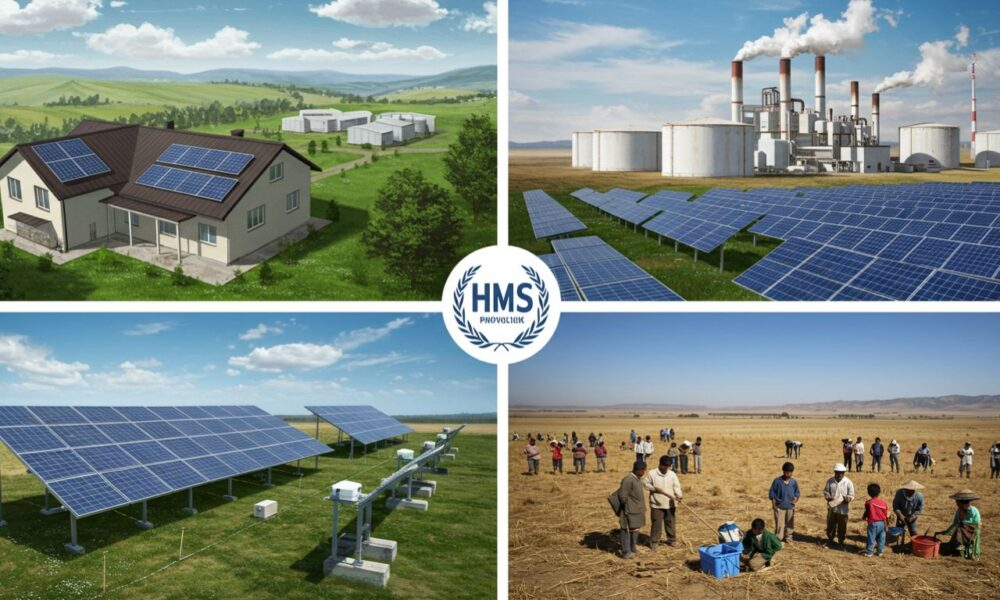
HMS Photovoltaik technology can be applied in a wide variety of settings. From residential homes to large industrial complexes, solar energy is increasingly being used in diverse ways. Here are some of the most common applications:
A. Residential Solar Energy
Many homeowners are now installing solar panels to reduce their energy bills and contribute to a greener planet. Residential HMS Photovoltaik systems typically include rooftop solar panels, inverters, and batteries for energy storage. These systems allow homeowners to generate their own electricity and rely less on grid power.
B. Commercial Solar Energy
Businesses are increasingly turning to solar energy to reduce operational costs. By installing larger photovoltaic systems, commercial buildings can generate significant amounts of electricity. This helps to offset electricity bills and may also qualify businesses for tax incentives and green certifications.
C. Industrial Solar Systems
Large industrial complexes can benefit from HMS Photovoltaik systems by using solar energy for manufacturing operations, equipment power, and more. By reducing their reliance on fossil fuels, industries can cut energy costs and meet sustainability goals.
D. Off-Grid Applications
In remote areas without access to the power grid, HMS Photovoltaik systems can provide reliable off-grid electricity. These systems typically use solar panels, batteries, and inverters to create a completely self-sufficient energy source, perfect for remote cabins, rural areas, or emergency backup systems.
E. Agriculture
Solar energy is also making its mark in agriculture, with farms using photovoltaic systems to power irrigation pumps, greenhouses, and other essential equipment. Solar power can help farmers reduce costs and improve sustainability while contributing to environmental conservation.
Challenges and Considerations of HMS Photovoltaik
While HMS Photovoltaik systems offer numerous benefits, they are not without challenges. Understanding these challenges can help users make informed decisions about investing in solar energy.
A. Initial Cost
The upfront cost of purchasing and installing a photovoltaic system can be high, particularly for larger commercial or industrial systems. However, the long-term savings and incentives available often outweigh this initial investment.
B. Weather Dependency
Solar energy generation depends on sunlight, which can be inconsistent due to weather conditions. Cloudy days, rain, and snow can all reduce the efficiency of solar panels. However, advancements in battery storage technology are helping mitigate these issues by allowing users to store excess energy for later use.
C. Space Requirements
Large-scale solar installations, especially for commercial or industrial purposes, require significant amounts of space to install the solar panels. This may not be feasible for every property, especially in urban areas with limited roof space.
D. Energy Storage Costs
While solar energy can be stored in batteries for later use, battery storage systems can be expensive. However, with advances in battery technology and decreasing prices, energy storage is becoming more affordable.
The Future of HMS Photovoltaik
The future of HMS Photovoltaik looks incredibly promising. As technology advances and costs continue to fall, solar energy will play an increasingly vital role in powering the world’s infrastructure. Future trends in HMS Photovoltaik include:
A. Improved Efficiency
Technological advancements will continue to increase the efficiency of photovoltaic cells. As more energy is generated from the same surface area, solar power systems will become even more effective and cost-efficient.
B. Energy Storage Innovations
The development of more efficient, cheaper energy storage systems will make solar energy even more viable for both residential and commercial applications. Innovations in lithium-ion batteries and other energy storage technologies will enhance the practicality of solar power systems.
C. Integration with Smart Grids
The integration of solar energy systems with smart grids will enable more efficient distribution of electricity. This will allow for better energy management, optimized usage, and a more stable power supply.
Conclusion
HMS Photovoltaik represents a significant step forward in the evolution of solar energy. By harnessing the power of the sun, it offers a sustainable, renewable, and increasingly affordable solution to the world’s energy needs. Whether for residential, commercial, or industrial applications, solar energy is reshaping how we generate and use power.
As technology continues to improve, the efficiency and affordability of HMS Photovoltaik systems will only increase, making it an even more attractive option for consumers and businesses alike. By embracing solar energy, we can reduce our dependence on fossil fuels, lower energy costs, and contribute to a cleaner, greener future.
Frequently Asked Questions (FAQs) About HMS Photovoltaik
How much does it cost to install an HMS Photovoltaik system?
The cost of installing an HMS Photovoltaik system varies depending on the size of the system, location, and available incentives. Residential systems typically range from $10,000 to $30,000 before tax credits and incentives.
Can HMS Photovoltaik work in areas with limited sunlight?
Yes, HMS Photovoltaik systems can still generate electricity in areas with limited sunlight, though efficiency will be reduced. Solar panels can be optimized with battery storage systems to ensure a reliable power supply.
How long do HMS Photovoltaik panels last?
HMS Photovoltaik panels typically last between 25 to 30 years. Over time, their efficiency may decrease, but they still produce energy for many years after installation.
Are there government incentives for installing HMS Photovoltaik systems?
Yes, many governments offer tax credits, rebates, and other incentives to encourage the installation of solar energy systems. These incentives can significantly reduce the initial cost of installation.
Is HMS Photovoltaik suitable for all buildings?
While HMS Photovoltaik can be installed on most buildings, the suitability depends on factors such as roof space, orientation, and shading. A professional assessment is recommended to determine the best installation options.