

Babybelletje: The Iconic Cheese Snack Revolutionizing Modern Snacking
December 4, 2025
How To Reduce the Risk of Skin Cancer
December 4, 2025
The world of music is filled with diverse instruments and styles that evoke different emotions, connect cultures, and convey unique stories. One such instrument is the hitaar, an ancient and evolving string instrument that blends rhythm and melody. Known for its intricate fingerpicking, strumming techniques, and unique tuning, the hitaar has captured the hearts of musicians and audiences worldwide. This guide delves into the hitaar, its origins, playing techniques, and its influence in the modern musical landscape.
What is the Hitaar?
The hitaar is a stringed instrument that traces its roots back to ancient musical traditions. While it shares similarities with other string instruments, such as the guitar and sitar, it stands out due to its distinct sound, which is achieved through the combination of rhythmic strumming, fingerpicking, and specialized tuning systems. The instrument’s design and technique enable it to express deep emotions and connect with listeners on a profound level.
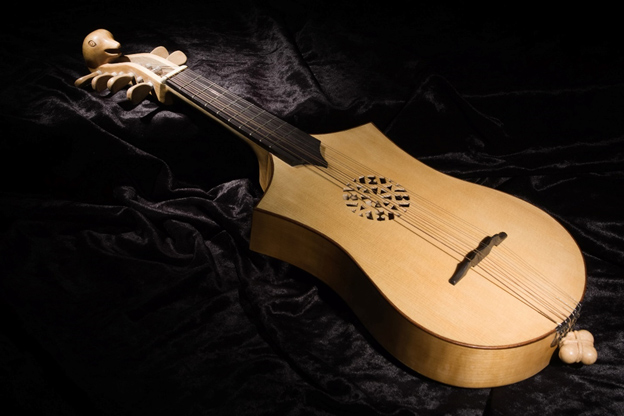
In terms of structure, the hitaar typically features multiple strings, which can range from four to eight, depending on the specific type of hitaar. These strings are usually tuned in unique intervals that contribute to the instrument’s expressive capacity. Whether played in solo performances or as part of an ensemble, the hitaar offers a versatility that allows musicians to experiment with a variety of sounds.
Also Read: Babybelletje: The Iconic Cheese Snack Revolutionizing Modern Snacking
The Origins of the Hitaar
The origins of the hitaar are shrouded in mystery, with various regions claiming to have developed it independently. Some believe that it was first created in the Middle East, where it was used in folk music and traditional rituals. Over time, the hitaar spread to other parts of the world, influencing music in South Asia, the Mediterranean, and even parts of Africa.
The hitaar was not just an instrument of entertainment but was also regarded as an essential part of cultural rituals and celebrations. It is said that in many cultures, the sound of the hitaar was believed to have spiritual significance, with its melodies meant to connect individuals to higher realms or provide solace during challenging times.
The Evolution of the Hitaar
As with many traditional instruments, the hitaar has undergone numerous modifications throughout the years. Technological advancements in instrument-making, as well as the globalization of music, have allowed the hitaar to adapt and evolve. Today, musicians often experiment with electric versions of the hitaar, amplifying its sound and incorporating it into various genres, including rock, jazz, and classical music.
Despite its modern adaptations, the core principles of hitaar playing remain unchanged. It is an instrument that demands skill, patience, and a deep understanding of musical theory. Players often use advanced techniques such as fingerpicking, tapping, and strumming to bring out the best in the instrument.
Techniques Used in Playing the Hitaar
One of the primary reasons the hitaar is so beloved among musicians is its vast range of playing techniques. These techniques allow for a depth of emotional expression that few other instruments can match.
1. Fingerpicking
Fingerpicking is a central aspect of hitaar playing. Unlike traditional strumming with a pick, fingerpicking allows the musician to individually pluck each string, creating a nuanced and layered sound. The technique involves using the thumb and fingers to strike the strings in precise rhythms, adding intricate patterns to the music.
Fingerpicking can be used to create melodies, basslines, and harmonies simultaneously, offering the musician a broader sonic palette. The subtle changes in tone that result from varying finger pressure and speed contribute to the emotional depth of the music.
2. Strumming
Strumming is another crucial technique that helps shape the overall sound of the hitaar. While fingerpicking allows for intricate melodies, strumming is often used to provide the rhythm and backbone of the music. The musician uses their hand or a plectrum to sweep across the strings, creating chord progressions and driving the rhythm forward.
The hitaar‘s strumming patterns can vary greatly depending on the genre or cultural context in which it is played. It can be gentle and flowing, or it can be fast and percussive, giving it an energetic quality.
3. Unique Tuning Systems
One of the standout features of the hitaar is its unique tuning. Unlike standard Western stringed instruments, which use standard tuning systems, the hitaar often uses custom tunings that give it a distinct sound. These tunings can vary greatly depending on the musical tradition in which the instrument is used.
These tunings allow the hitaar to produce a wide range of tonal colors, enabling musicians to evoke a wide array of emotions. Whether it is the mellow and soothing tones that connect with the listener’s soul or the sharp, vibrant notes that energize and excite, the hitaar‘s tunings play a major role in its expressive power.
The Role of Hitaar in Modern Music
In recent years, the hitaar has found its place in the global music scene. Artists from various genres are experimenting with this unique instrument, fusing it with other instruments to create fresh and innovative sounds. From fusion genres to electronic music, the hitaar is breaking barriers and opening new avenues for musical exploration.
One of the most significant contributions of the hitaar to modern music is its ability to blend rhythm and melody seamlessly. In an era where music is increasingly becoming hybridized, the hitaar stands out as a versatile instrument capable of moving across genres and cultures.
Hitaar in Fusion Music
Fusion music, which blends elements of different musical traditions, has become one of the most exciting and innovative genres of contemporary music. The hitaar fits perfectly within fusion music due to its versatility and emotional depth. Whether used alongside Western instruments like the electric guitar or traditional instruments from other cultures, the hitaar adds a distinct flavor that enhances the overall sound.
Also Read: Giniä: The Modern Word Gaining Popularity in Branding, Wellness, Tech, and Art
Musicians are now using the hitaar in collaboration with a range of other instruments, including drums, keyboards, and wind instruments, allowing it to maintain its unique identity while contributing to a broader musical conversation.
Cultural Impact and the Future of Hitaar
While the hitaar‘s presence in modern music is growing, its cultural significance continues to be deeply rooted in the communities where it was originally developed. For many, the hitaar is more than just a musical instrument; it is a symbol of tradition, spirituality, and emotional expression.
In the future, we can expect the hitaar to play an even more prominent role in the global music scene. As more musicians discover its rich history and versatile sound, the hitaar will continue to evolve, influencing new genres and inspiring a new generation of musicians.
FAQs about Hitaar
What is the difference between the hitaar and other string instruments?
While the hitaar shares some similarities with other string instruments, such as the guitar or sitar, it is distinct in its use of fingerpicking, strumming techniques, and its unique tuning systems. These elements combine to create a sound that is rich in both rhythm and melody, making the hitaar an emotionally expressive instrument.
How difficult is it to learn the hitaar?
Learning to play the hitaar can be challenging due to its complex playing techniques and the need for a deep understanding of musical theory. However, with dedication and practice, anyone can master the instrument. Many musicians find that the unique sound and emotional depth of the hitaar make the effort worthwhile.
What types of music can the hitaar be used for?
The hitaar is incredibly versatile and can be used in a wide range of musical genres, from traditional folk music to contemporary fusion and even electronic music. Its unique sound allows it to adapt to various styles, making it a popular choice for musicians looking to experiment with new sounds.
Is there a modern version of the hitaar?
Yes, the hitaar has been modernized in many ways. Electric versions of the instrument are now available, allowing musicians to amplify its sound and incorporate it into modern genres such as rock and jazz. Despite these changes, the core playing techniques and the instrument’s distinctive sound remain unchanged.
Where can I learn to play the hitaar?
Learning to play the hitaar can be done through online lessons, private instructors, or music schools that offer specialized training in traditional and contemporary string instruments. There are also plenty of online resources, including video tutorials, that can help beginners get started with basic techniques.
Conclusion
The hitaar is a remarkable instrument with a rich cultural history and a future full of potential. From its origins in ancient traditions to its place in contemporary music, the hitaar continues to captivate musicians and audiences alike. Through its unique combination of rhythm, melody, and emotional depth, it has carved out a significant niche in the global music scene. Whether you’re a seasoned musician or someone new to the world of string instruments, the hitaar is an instrument worth exploring.