The Importance of Preventive Healthcare: A Smarter Way to Stay Healthy
December 1, 2025
How to Relieve Tension with Massage at Home
December 1, 2025
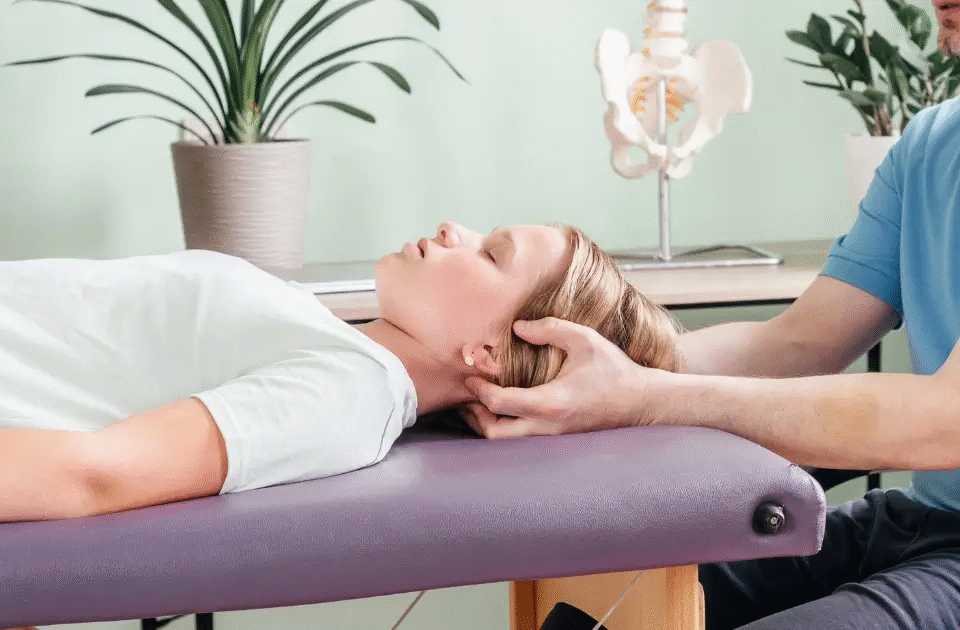
Massage therapy is more than just a luxury you enjoy at a spa — it’s a powerful tool that can improve your physical and mental well-being. In today’s fast-paced world, stress, body pain, and poor posture have become common issues for many people. Regular massage therapy offers a natural and effective way to combat these problems while enhancing overall health.
Whether you’re an athlete, a desk worker, or someone seeking relaxation, consistent massages can bring significant benefits to your body and mind. Let’s explore the incredible health benefits of regular massage therapy and why you might want to make it part of your self-care routine.
1. Reduces Stress and Promotes Relaxation
One of the most immediate and well-known effects of massage therapy is stress reduction. When you receive a massage, your body releases endorphins, dopamine, and serotonin — the “feel-good” hormones that naturally elevate your mood and promote relaxation.
Regular sessions help lower cortisol levels (the stress hormone), leading to a calmer mind and a more balanced emotional state. People who incorporate massage therapy into their routines often report better sleep, improved focus, and reduced anxiety.
Tip: Even a 30-minute massage once a week can significantly reduce stress and help you unwind after long, busy days.
2. Eases Muscle Pain and Tension
If you often feel sore after working out, sitting at a desk all day, or dealing with chronic muscle stiffness, massage therapy can provide great relief. Techniques like deep tissue or Swedish massage work on tight muscles, improving blood flow and easing knots that cause discomfort.
By increasing circulation, massages help deliver more oxygen and nutrients to the muscles, speeding up recovery and reducing inflammation. Over time, this consistent care helps prevent injuries and keeps your muscles flexible and strong.
Example: Athletes often use sports massage therapy before and after training to enhance performance and prevent injuries.
3. Improves Blood Circulation
Good circulation is vital for your overall health, as it ensures that your organs and tissues receive enough oxygen and nutrients. Massage therapy stimulates blood flow by pressing and releasing the muscles, which promotes healthy circulation throughout the body.
Improved circulation helps:
- Eliminate toxins and waste from the body
- Deliver oxygen and nutrients to tissues
- Support the immune system
- Promote faster healing
If you often experience cold hands and feet, fatigue, or muscle cramps, regular massage therapy might help improve your body’s blood flow and energy levels.
4. Boosts Immune Function
You might be surprised to learn that massage therapy can strengthen your immune system. Studies show that regular massages increase the activity of white blood cells, which play a key role in defending your body against infections and diseases.
By lowering stress and improving circulation, massage therapy allows your immune system to function more effectively. People who get massages regularly often experience fewer colds, less fatigue, and better overall health.
In short: Massage doesn’t just relax you — it can also make your body more resistant to illness.
5. Enhances Posture and Flexibility
Modern lifestyles often involve long hours of sitting at desks or looking down at smartphones, leading to poor posture and muscle imbalances. Over time, this can cause pain in the neck, shoulders, and back.
Massage therapy helps correct posture by loosening tight muscles and reducing tension in overused areas. This allows your body to return to its natural alignment. It also increases flexibility by improving the elasticity of muscles and connective tissues.
Regular massages are especially beneficial for people who experience back or neck pain due to poor posture or prolonged sitting.
6. Helps Manage Chronic Pain
People living with chronic pain conditions, such as arthritis, fibromyalgia, or migraines, often find relief through massage therapy. Gentle, consistent massages can reduce pain sensitivity, improve range of motion, and enhance overall comfort.
By targeting specific trigger points and relaxing tense muscles, massage helps reduce nerve compression and improve mobility. When combined with medical treatment, it can significantly improve quality of life.
Note: Always discuss your condition with a qualified massage therapist or healthcare provider to ensure the right technique is used.
7. Improves Sleep Quality
If you struggle with insomnia or restless nights, massage therapy may be the natural solution you need. It encourages deep relaxation and promotes the release of serotonin, which helps produce melatonin — the hormone responsible for sleep.
Massage also reduces muscle tension and anxiety, making it easier to fall asleep and stay asleep. Over time, regular sessions can help regulate your sleep cycle, resulting in better rest and higher energy levels during the day.
8. Supports Mental and Emotional Health
Massage therapy is not only about physical well-being — it has a strong impact on mental and emotional health too. The calming touch of massage can help reduce symptoms of anxiety, depression, and emotional fatigue.
The soothing experience activates your parasympathetic nervous system, which helps your body rest and recover. This state of relaxation encourages mindfulness, reduces negative thoughts, and boosts emotional balance.
People who receive regular massages often report feeling happier, calmer, and more positive in their daily lives.
9. Promotes Skin Health
During a massage, oils and lotions are often used to reduce friction and nourish the skin. The gentle pressure and circular movements stimulate the skin’s surface, increasing blood flow and promoting the removal of dead cells.
This process helps your skin:
- Look healthier and more radiant
- Stay hydrated
- Improve elasticity
- Reduce the appearance of scars or stretch marks
In short, regular massage can give your skin a youthful glow while benefiting your body inside and out.
10. Increases Body Awareness
One of the often-overlooked benefits of regular massage therapy is improved body awareness. It helps you understand how your body responds to stress, movement, and posture. You become more conscious of your body’s signals — whether it’s tension, pain, or fatigue — and can take action before small issues turn into big problems.
This awareness leads to better self-care habits and a more balanced lifestyle.
How Often Should You Get a Massage?
The frequency of massage therapy depends on your needs and lifestyle.
- For stress relief or relaxation, once every 2–4 weeks may be enough.
- For chronic pain, sports recovery, or injury management, weekly sessions may be more effective.
The key is consistency — regular massages deliver the best long-term results.
Conclusion
Regular massage therapy is more than a pampering experience — it’s an investment in your health and well-being. From relieving stress and improving circulation to boosting immunity and enhancing sleep, the benefits are far-reaching.
Whether you choose a gentle Swedish massage or a deep-tissue session, making massage therapy a regular part of your routine can help your body heal, relax, and thrive.
Take time for yourself — your body and mind will thank you.
Frequently Asked Questions (FAQs)
1. How often should I get a massage for the best results?
It depends on your goals. For relaxation, once or twice a month is sufficient. For chronic pain or stress management, weekly massages are ideal.
2. Can massage therapy help with anxiety or depression?
Yes. Regular massage sessions promote relaxation, reduce cortisol levels, and increase serotonin and dopamine — hormones that improve mood and emotional balance.
3. Is it normal to feel sore after a massage?
Mild soreness is normal, especially after a deep tissue massage. It usually goes away within 24–48 hours as your muscles adjust.
4. Can massage therapy help improve my posture?
Absolutely. By relaxing tight muscles and correcting imbalances, massage therapy helps realign your body and improve overall posture.
5. Are there any risks or people who should avoid massage therapy?
People with certain medical conditions, infections, or injuries should consult a doctor before getting a massage. Always inform your therapist about any health issues beforehand.