
Robust-Area.com: A Comprehensive Guide to the Best Blog of 2025
November 25, 2025
HMS Photovoltaik: The Future of Solar Energy Conversion
November 27, 2025
In the world of sewing and garment construction, seams play a crucial role. They are responsible for holding different pieces of fabric together, and the type of seam used can impact both the functionality and the aesthetic quality of the finished product. In German, the term “Nahttypen” refers to the various types of seams used in sewing, which vary based on their construction, purpose, and the types of fabrics being used.
This article will take an in-depth look at Nahttypen, exploring the different types of seams, their characteristics, uses, and how to choose the right one for your sewing projects. Whether you’re a novice sewer or an experienced professional, understanding Nahttypen is key to achieving high-quality results in your work.
By the end of this article, you’ll be well-versed in the various Nahttypen, their importance, and how they contribute to the overall quality and durability of your sewn items. We’ll also explore common mistakes to avoid, how to choose the right seam for specific fabrics, and how to incorporate these seams into your designs to enhance both their appearance and functionality.
What Are Nahttypen?
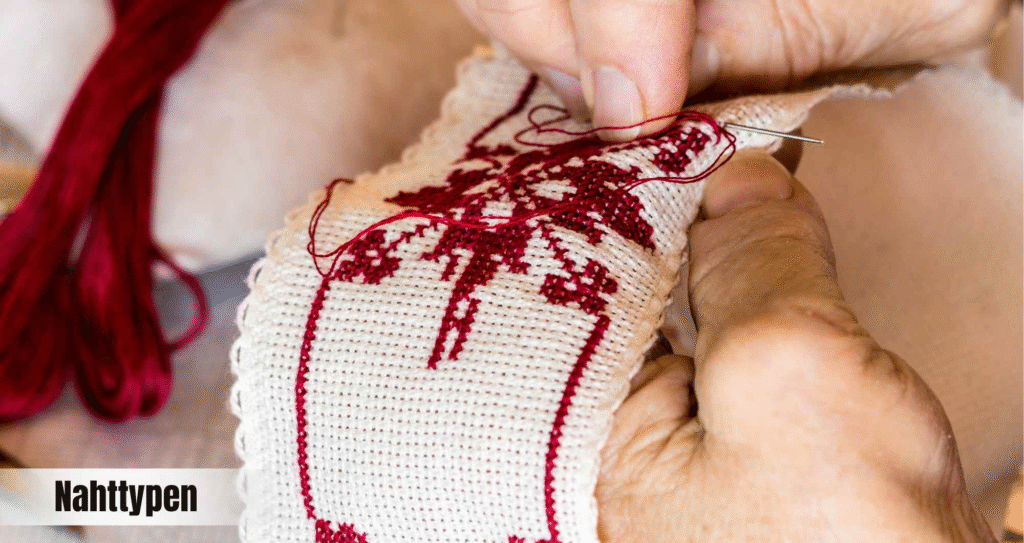
Nahttypen, or types of seams, refer to the different ways that two or more pieces of fabric are stitched together in sewing. These seams are essential in garment construction, home decor projects, and any task that requires fabric manipulation. The type of seam you choose can affect the strength, durability, appearance, and finish of the fabric.
A seam is created by stitching two or more layers of fabric together, and there are various ways to join them, depending on the intended use. Some seams are simple, while others are more complex and provide additional durability or decorative detail.
Key Factors Influencing Nahttypen:
- Fabric type: Lightweight or delicate fabrics may require a different type of seam compared to thicker or heavier materials.
- Functionality: Some seams are designed for strength, while others are meant to be decorative or for lightweight garments.
- Finish: A seam’s finish determines its durability and how it will look once the garment is completed.
The Importance of Nahttypen in Sewing
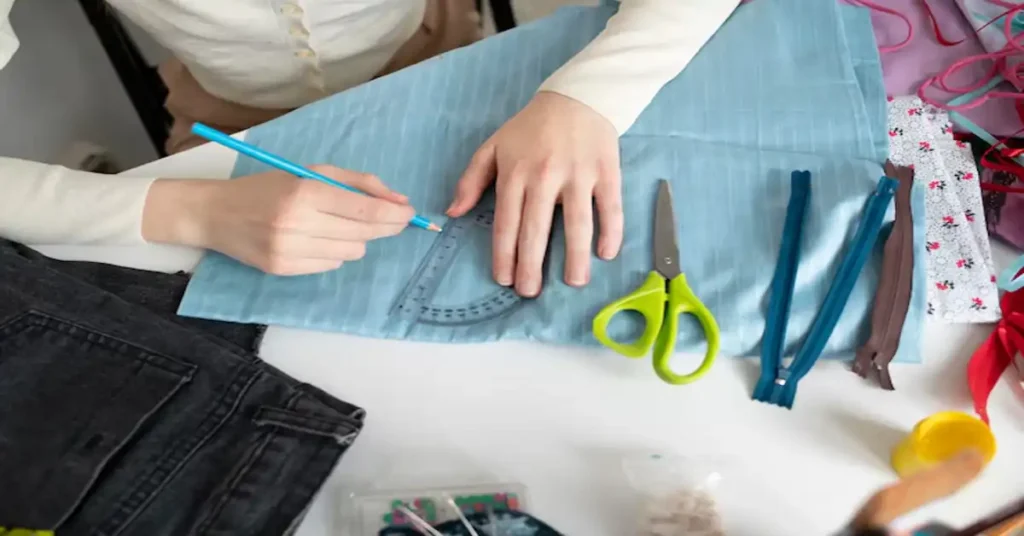
Seams serve several important functions in sewing and garment construction. Not only do they join pieces of fabric together, but they also contribute to the overall shape, structure, and appearance of the finished product. Understanding the role of Nahttypen can help you achieve better sewing results.
A. Structural Integrity
The most basic function of a seam is to hold fabric pieces together. The type of seam used will determine how strong and durable the join is. For example, in garments that will undergo a lot of stress (like pants or jackets), stronger seams are required to withstand pressure and movement.
B. Aesthetic Appeal
Seams also contribute to the overall look of a project. Some seams, like the French seam or flat-felled seam, are designed to be visible on the outside of the garment, adding a decorative touch. In contrast, other seams are hidden inside the garment for a clean, professional finish.
C. Comfort and Fit
Seams affect the comfort and fit of the final product. For example, a poorly executed seam in a pair of pants could lead to discomfort or irritation when worn. The type of seam used in areas like the crotch, waist, or side seams is essential for both function and comfort.
Common Types of Nahttypen (Seams) and Their Uses
There are many different Nahttypen used in sewing, each serving a specific purpose. Below is a detailed guide to some of the most common types of seams, their characteristics, and the best uses for each.
A. Plain Seam (Standard Seam)
The plain seam is the most basic and commonly used seam type. It involves joining two pieces of fabric together by sewing along the edges, typically with a straight stitch. This is the standard seam you’ll find in most garments.
- Characteristics: Simple and quick to sew, but may need finishing to prevent fraying.
- Uses: Commonly used in clothing, home decor, and general sewing projects.
- Finish: Often finished with a zigzag stitch, overlocking, or French seam for added durability.
B. French Seam
A French seam is a neat and strong seam that encloses the raw edges of the fabric. It involves sewing the fabric wrong sides together first, then turning it right sides together and sewing again. This creates a double seam that hides the raw edges inside.
- Characteristics: Clean, professional finish; ideal for lightweight fabrics.
- Uses: Common in delicate fabrics like silk, chiffon, and organza. It is also used in high-quality garments for a polished look.
- Finish: The raw edges are fully enclosed, preventing fraying and adding strength.
C. Flat-Felled Seam
The flat-felled seam is commonly used in garments like jeans and shirts. It involves folding over the fabric edges and stitching them down, creating a strong and flat seam. This seam is durable and often used in heavy-duty clothing.
- Characteristics: Strong, durable, and has a clean finish.
- Uses: Common in denim, workwear, and durable outdoor clothing.
- Finish: The raw edges are folded and enclosed within the seam, making it ideal for garments that undergo stress.
D. Overlocked (Serger) Seam
An overlocked seam, also known as a serged seam, is finished with an overlocker or serger machine. This type of seam involves stitching, trimming, and finishing the raw edges all in one go, preventing fraying.
- Characteristics: Quick, efficient, and strong; ideal for knit fabrics.
- Uses: Often used in knitwear, t-shirts, and other stretchy fabrics. It’s also used to finish edges on woven fabrics to prevent fraying.
- Finish: The overlocker cuts and finishes the raw edge, preventing fabric from unraveling.
E. Double-Needle Seam
A double-needle seam uses two needles to create two parallel rows of stitches, making it both decorative and strong. This seam is commonly used in hemming and topstitching.
- Characteristics: Decorative and functional; it’s stronger than a single stitch.
- Uses: Often used in hemming, topstitching, and creating professional finishes on garments like shirts, skirts, and dresses.
- Finish: Double-needle seams give a neat, professional look with reinforced stitching.
F. Bound Seam
A bound seam involves wrapping the raw edges of the fabric with a separate piece of fabric or bias tape, then sewing it down to secure it. This creates a neat, finished seam that prevents fraying.
- Characteristics: Neat and strong; ideal for edges that will be exposed.
- Uses: Common in garments with exposed seams like coats, dresses, or jackets, or when you want a polished finish.
- Finish: The raw edges are completely covered and enclosed, providing a clean look.
How to Choose the Right Nahttypen for Your Project
Choosing the right Nahttypen is critical for ensuring both the functionality and aesthetic quality of your sewing project. The type of fabric, the project’s intended use, and the desired finish all play a role in determining the most appropriate seam.
A. Fabric Type
- Lightweight fabrics like chiffon or silk require delicate seams such as the French seam or bound seam, as they prevent raw edges from fraying and provide a refined finish.
- Heavyweight fabrics like denim or canvas benefit from stronger seams like the flat-felled seam or overlocked seam, which can withstand the stress of everyday wear and tear.
- Stretch fabrics like knits or jerseys require seams that stretch with the fabric, such as a serged or stretch stitch.
B. Project Use
- For everyday clothing, a simple plain seam or overlocked seam may suffice.
- For formal or high-end garments, a French seam or bound seam adds a level of professionalism and ensures durability and neatness.
- For workwear or durable items, the flat-felled seam provides the strength necessary to withstand heavy use.
C. Finish and Appearance
If you want your seams to be visible and a part of the design, choose decorative seams like the double-needle seam. For a clean, finished look, use a French seam, or opt for an overlocked seam for practicality.
Common Mistakes When Working with Nahttypen and How to Avoid Them
While sewing seams may seem straightforward, there are several common mistakes that beginners and even experienced sewists often make. Here are some of the most frequent mistakes, and how you can avoid them:
A. Choosing the Wrong Seam for the Fabric
Using a plain seam on a delicate fabric like silk can lead to fraying. To avoid this, always select a seam type that matches the fabric’s weight and texture. French seams are ideal for delicate fabrics, while stronger seams like the flat-felled seam are better for heavier materials.
B. Skipping Proper Finishing
Failing to finish the raw edges of seams properly can result in fraying and an untidy finish. Always finish your seams with overlocking, binding, or another appropriate technique to ensure your project remains durable.
C. Incorrect Seam Allowance
Not leaving enough seam allowance can cause your garment to be too small, while too much allowance can make the project difficult to fit. Always measure and mark seam allowances accurately based on the pattern you’re using.
Advanced Techniques for Using Nahttypen
Once you’re comfortable with basic seams, you can explore advanced techniques to enhance your sewing projects:
A. French Seams for Luxury Finishes
French seams aren’t just functional; they’re also a hallmark of luxury garments. For garments like wedding dresses, couture pieces, or any project that requires a high-end finish, French seams provide a polished, professional look.
B. Creating Decorative Seams
For a more artistic touch, consider using decorative seams such as topstitching or adding embroidery along the seams. These decorative touches can elevate your sewing projects and make them stand out.
C. Mixing Seams for Customization
Sometimes, combining different Nahttypen can produce unique results. For example, you could use a flat-felled seam for the side seams of a jacket, and then add a decorative topstitch using a double-needle seam for the collar. This combination adds both strength and visual interest to your project.
Conclusion
Nahttypen (seams) are an essential part of the sewing process, contributing to the structure, durability, and appearance of your projects. Whether you’re sewing clothing, home decor, or accessories, understanding the different types of seams and when to use them is crucial for achieving professional and long-lasting results.
From simple plain seams to more complex French or flat-felled seams, each type of Nahttypen has its own specific application. By carefully considering the fabric, purpose, and desired finish, you can select the perfect seam to enhance the quality and longevity of your work.
Frequently Asked Questions (FAQs) About Nahttypen
What is the most common type of seam used in everyday garments?
The most common seam used in everyday garments is the plain seam, as it is simple and effective for most fabrics and garment types.
How do I finish raw edges when using a plain seam?
You can finish raw edges by using a zigzag stitch, overlocking, or binding them with bias tape to prevent fraying.
Can I use a French seam on thicker fabrics like denim?
No, French seams are typically used for lightweight fabrics. For heavier fabrics like denim, a flat-felled seam is more suitable.
What is the difference between a serged seam and an overlocked seam?
A serged seam and an overlocked seam refer to the same thing—seams finished with a serger or overlocker machine. These machines stitch and trim the edges simultaneously, offering a clean finish.
How do I sew a double-needle seam?
To sew a double-needle seam, use a double-needle attachment on your sewing machine. This allows you to sew two parallel rows of stitching at once, creating a decorative and strong seam for hems and other finishing details.