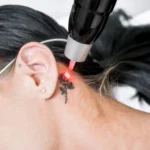
What To Expect During the Tattoo Removal Process
December 22, 2025The Role of Cryoablation in Cancer Treatment
December 24, 2025
Skin cancer affects many people every year, and it remains a significant health concern for dermatologists. This condition occurs when skin cells grow abnormally, which typically happens on skin that gets a lot of sun. Though anyone can get skin cancer, certain factors increase your risk of developing it. Here is more information about the connection between sun exposure and skin cancer:
Unprotected Sun Exposure
When you spend time outside without sunscreen or clothing coverage, ultraviolet (UV) rays penetrate your skin’s layers immediately. The sun emits UVA and UVB rays, and both types contribute to long-term cellular issues. Your skin absorbs this radiation, but its natural defenses weaken quickly under intense or prolonged exposure.
This radiation damages the DNA in your skin cells, and the body constantly attempts to repair this damage. Over time, repeated exposure without protection overwhelms these repair mechanisms. If the body fails to fix the DNA, mutations occur that lead to uncontrolled cell growth.
Heightened Skin Damage
Signs of sun damage can appear long before a cancer diagnosis arrives. You might notice premature wrinkles or age spots, and the skin loses its natural elasticity. Because UV rays break down collagen and elastin fibers, the skin begins to look leathery or rough. This visible aging signals deeper problems beneath the surface.
Increased Cancer Risk
The more UV radiation you receive, the higher your risk becomes. Basal cell carcinoma and squamous cell carcinoma are linked to cumulative sun exposure, and this can occur over many years. Melanoma, a dangerous form of skin cancer, may be linked to intense, blistering sunburns that you might have had as a child.
Genetics play a role, but your lifestyle choices significantly influence the outcome. People with fair skin may burn easily, and they must exercise extreme caution during peak sunlight hours. Even if you have darker skin, you still face risks because UV damage affects all skin types.
Tanning beds may accelerate this process dramatically. They emit concentrated UV radiation, and this artificial exposure is just as harmful as natural sunlight. If you use tanning beds regularly, you may increase your chances of developing melanoma significantly.
Protected Skin
Protecting yourself requires a consistent routine rather than occasional effort. You need a broad-spectrum sunscreen with an SPF of 30 or higher, and you must reapply it every two hours. Wearing protective clothing, such as wide-brimmed hats and long sleeves, offers a physical barrier that sunscreen cannot match.
Seeking shade remains one of the simplest ways to reduce UV intake. The sun is strongest midday, so planning outdoor activities around these times helps immensely. When you adopt these habits, you actively reduce the cumulative damage your skin absorbs.
Standard protective measures include:
- Applying sunscreen daily
- Wearing UV-blocking sunglasses
- Seeking shade during midday
- Avoiding tanning beds
Get Checked for Skin Cancer
Regular skin examinations allow doctors to catch suspicious growths early. You should check your own skin monthly for new moles or changes in existing ones, and you need a professional exam annually. If you find something that looks different or does not heal, schedule an appointment immediately. Book a skin check with a qualified dermatologist near you.