How Sleep Specialists Improve Your Sleep Quality
December 17, 2025
Newtopy: Revolutionizing the Future with Next-Gen Smart Technology
December 18, 2025
Agriculture has evolved significantly over the years, with advancements in equipment designed to make farming processes more efficient, sustainable, and cost-effective. One of the specialized tools that have emerged in this transformation is the afruimwagen. This agricultural vehicle has played a pivotal role in streamlining the distribution of organic materials such as manure, silage, and other agricultural residues.
In this article, we will explore the afruimwagen in detail, providing a deeper understanding of its use, benefits, and significance in modern farming. This guide will offer insights that go beyond existing sources, making it an essential read for anyone in the agriculture sector or those interested in improving farming techniques.
What is an Afruimwagen?
An afruimwagen, often referred to as a manure spreader or organic material transport wagon, is a specialized agricultural trailer designed to handle and distribute organic materials across fields. The term “afruimwagen” originates from Dutch, where “afruim” translates to “harvest” or “clear,” and “wagen” means “wagon” or “cart.” Essentially, an afruimwagen is built to carry organic materials like manure, compost, slurry, and silage, ensuring they are evenly distributed across farmland to enrich the soil.
Key Features of an Afruimwagen
Understanding the structure and functionality of an afruimwagen helps in appreciating its importance to modern agriculture. Here are some of the key features that define this tool:
1. Large Capacity for Transporting Organic Materials
Afruimwagens are built to carry large volumes of organic materials, making them ideal for farms with extensive fields that require frequent fertilization. These wagons can be loaded with a variety of organic materials, such as manure, compost, slurry, and silage, and are capable of covering large distances without the need for multiple trips.
Also Read: UnbannedG+: The Social Media Platform Revolutionizing Free Expression
2. Uniform Distribution Mechanism
One of the standout features of the afruimwagen is its ability to distribute materials uniformly across the fields. This ensures that the soil receives a consistent level of fertilization, leading to more efficient crop growth and improved soil health. The distribution mechanism can be adjusted to ensure the right amount of material is applied in the right areas, reducing waste and ensuring optimum results.
3. Robust Build for Tough Terrain
These wagons are designed to handle rough and uneven terrains commonly found on farms. Whether it’s muddy fields after a heavy rainfall or rocky soil conditions, afruimwagens are built to navigate challenging landscapes, ensuring that the agricultural process is not hindered by the terrain.
4. Efficient Loading and Unloading Mechanism
The afruimwagen is equipped with an efficient loading and unloading system, often powered by hydraulics. This allows for quick and easy filling of the wagon with organic materials and ensures smooth unloading without spillage or uneven distribution.
5. Compatibility with Tractors
Most afruimwagens are designed to be hitched to tractors, making them compatible with the most common farming machinery. This allows farmers to use their existing equipment, reducing the need for additional investment in specialized machinery.
The Importance of Afruimwagens in Modern Agriculture
The role of afruimwagens goes far beyond just transporting materials. These wagons have revolutionized how organic waste is handled and distributed in the farming process. Here are some of the key benefits they offer to modern agriculture:
1. Sustainable Farming Practices
One of the biggest advantages of using an afruimwagen is its contribution to sustainable farming practices. By transporting and evenly distributing organic fertilizers such as manure and compost, these wagons help improve soil fertility and reduce the need for chemical fertilizers. This leads to healthier crops and reduces the environmental impact of farming.
2. Enhanced Efficiency in Material Distribution
Before the invention of the afruimwagen, farmers had to rely on manual labor or less efficient methods of distributing organic materials across fields. With the introduction of these wagons, farmers can distribute large amounts of organic material evenly and efficiently, saving time and labor costs while maximizing crop yields.
3. Reduced Labor Costs
In large-scale farming, manually transporting and distributing materials can be extremely labor-intensive. With an afruimwagen, much of the manual work is eliminated, allowing farmers to allocate their labor resources to other tasks. This leads to reduced operational costs and improved farm productivity.
4. Improved Soil Health
Also Read: TheHRWP: Revolutionizing Human Resources and Workforce Planning
Regular application of organic fertilizers, such as manure and compost, has been shown to improve soil health. Afruimwagens ensure that these materials are distributed evenly, promoting better soil structure, increased moisture retention, and enhanced microbial activity, all of which contribute to healthier and more productive crops.
5. Versatility in Material Handling
Beyond just manure, afruimwagens can handle various types of organic materials such as silage, slurry, and other farm residues. This versatility allows farmers to make the most of their resources by reusing organic waste that would otherwise go to waste, turning it into valuable fertilizers for their crops.
How to Choose the Right Afruimwagen for Your Farm
Selecting the right afruimwagen for your farm depends on several factors, including the size of your farm, the type of materials you need to transport, and your budget. Here are some tips to help you make an informed decision:
1. Capacity and Size
Afruimwagens come in different sizes and capacities. Choose a model that matches the size of your farm and the volume of organic material you need to transport. Larger farms may require high-capacity models, while smaller operations can benefit from more compact versions.
2. Type of Material to Be Transported
Consider the type of organic material you plan to transport. Some afruimwagens are better suited for slurry, while others are designed for manure or compost. Be sure to select a model that can handle the specific materials you work with.
3. Compatibility with Your Tractor
Ensure that the afruimwagen you select is compatible with the tractor you own. Most afruimwagens are designed to hitch easily to standard tractors, but it’s always best to check the specifications to ensure compatibility.
4. Hydraulic or Mechanical Operation
Decide whether you need a hydraulic or mechanical system for loading and unloading the material. Hydraulic systems are typically more efficient and easier to operate, but they may come at a higher cost. If you’re working with a smaller budget, a mechanical system may suffice.
5. Durability and Build Quality
Afruimwagens are subjected to tough conditions on the farm, so it’s essential to choose a model made from durable materials that can withstand harsh environments. Look for features like corrosion-resistant coatings and reinforced frames to ensure longevity.
Innovations in Afruimwagens: What’s New?
The agricultural industry is constantly evolving, and so is the afruimwagen. Some of the latest innovations in afruimwagen design and technology include:
1. Smart Technology Integration
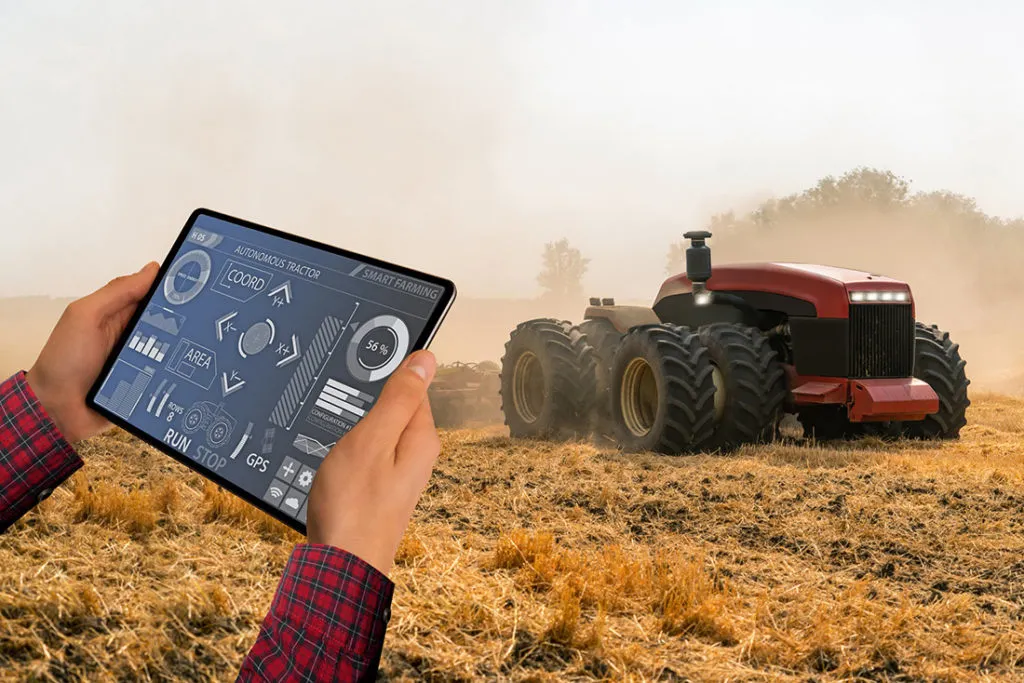
Modern afruimwagens are now being equipped with GPS and IoT (Internet of Things) sensors to monitor the distribution of materials in real time. These innovations allow farmers to track their equipment, ensure uniform distribution, and optimize their material usage, reducing waste and increasing efficiency.
2. Automated Distribution Systems
Some new models feature automated distribution systems that can adjust the flow of materials based on field conditions. This allows for precise application of organic materials, ensuring that crops receive the optimal amount of fertilizer without any waste.
3. Eco-Friendly Designs
In response to the growing demand for sustainable farming practices, manufacturers have started designing eco-friendly afruimwagens. These models are made from recycled materials and feature energy-efficient systems to reduce their environmental impact.
FAQs About Afruimwagens
Can an afruimwagen be used for transporting other materials besides manure?
Yes, afruimwagens are versatile and can be used to transport a wide variety of organic materials, including compost, silage, slurry, and agricultural waste.
How does an afruimwagen improve soil health?
By evenly distributing organic fertilizers like manure and compost, afruimwagens help improve soil structure, increase moisture retention, and enhance microbial activity, all of which contribute to healthier soil.
Are afruimwagens suitable for large-scale farms?
Yes, afruimwagens are particularly beneficial for large-scale farms because they can carry large volumes of material and distribute it efficiently across extensive fields, saving time and labor costs.
How do I maintain my afruimwagen?
Regular maintenance is essential to keep your afruimwagen in good working condition. This includes checking for wear and tear, lubricating moving parts, and cleaning the wagon after each use to prevent material buildup.
Are there any safety precautions when using an afruimwagen?
As with any agricultural machinery, it’s important to follow safety protocols, such as ensuring proper loading and unloading, avoiding overloading the wagon, and operating the machinery in safe conditions to prevent accidents.
Can an afruimwagen be customized for specific needs?
Yes, many manufacturers offer customization options to tailor the afruimwagen to your specific requirements, such as adjusting the size, distribution system, or material-handling capabilities.
Conclusion
The afruimwagen is a revolutionary tool that has changed the way farmers handle organic materials. By offering increased efficiency, sustainability, and cost savings, it has become an essential part of modern farming operations. Whether you’re a large-scale farmer or a small family-run operation, investing in an afruimwagen can significantly improve your farm’s productivity and help you achieve better crop yields.
With ongoing innovations in technology and design, the future of the afruimwagen looks even brighter, promising smarter, more efficient solutions for agricultural material distribution.
By understanding its features, benefits, and how to select the right model, farmers can make an informed decision and optimize their farming practices.