

Nimedes: The Comprehensive Digital Platform Transforming Modern Business Operations
November 19, 2025
Animeidhen: The Complete Guide to the Next-Generation Anime Platform Transforming Fan Culture
November 20, 2025
Žižole, known in English as jujube or Chinese date, is one of the oldest cultivated fruits in the world. Even though žižole has been appreciated across Asia, the Mediterranean, and parts of Europe for thousands of years, it has only recently started gaining attention in the United States. With its crisp bite, sweet flavor, rich nutritional profile, and wide range of uses, žižole is becoming a fruit that people want to understand, grow, cook with, and benefit from.
This comprehensive guide explores everything about žižole, including its history, characteristics, cultural meaning, growing process, health advantages, culinary uses, buying tips, storage methods, and scientific insights. Whether you discovered this fruit for the first time or are trying to learn more about its growing popularity, this article gives you a deep yet easy-to-read understanding of žižole.
What Are Žižole? Understanding the Basics of Jujube Fruit
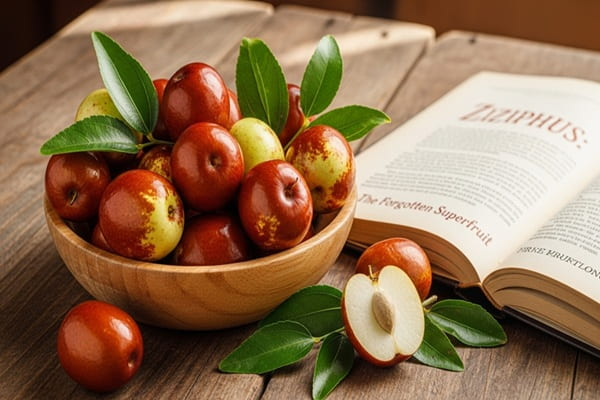
Žižole are small fruits that come from the Ziziphus jujuba tree. They are usually round or slightly oval and range in color from pale green to deep reddish-brown as they ripen. When fresh, žižole look similar to small apples and have a crunchy texture. When dried, they look much more like dates, with a chewy consistency and deep caramel-like sweetness.
The keyword žižole refers specifically to the fruit in some European regions, but globally, the most common terms used for the fruit are jujube or Chinese date. While these names may sound different, they all describe the same plant species and belong to the same long historical tradition.
History of Žižole and Their Global Cultural Significance
Žižole have an impressively long history. Archaeologists and historians believe they were first cultivated in China more than 4,000 years ago. Over time, they spread through the Silk Road trade networks into the Middle East, the Mediterranean, and eventually Europe.
In traditional Chinese medicine, žižole have been used for centuries to support relaxation, digestion, and general wellness. They were often consumed by scholars, monks, and healers because they were believed to calm the mind and strengthen the body.
In Mediterranean countries, žižole are valued for their refreshing taste and are used in preserves, liquors, and snacks. Farmers and home gardeners love them because the trees are hardy and adaptable, making them easy to grow even in dry climates.
Today, žižole are gaining interest in the U.S. as people search for nutrient-dense foods with cultural heritage and deeper natural benefits.
Characteristics of Žižole: Flavor, Texture, and Appearance
Fresh žižole have a crispy bite similar to an apple. Their flavor varies depending on ripeness. Unripe fruits are slightly tart, while ripe fruits are sweet with a honey-like taste.
The outer skin is smooth and firm, while the inside is airy and light. Once dried, žižole become entirely different soft, chewy, rich, and date-like. This dual nature makes them extremely versatile.
There are hundreds of varieties of žižole worldwide, each with unique shapes, flavors, and levels of sweetness.
Nutritional Value of Žižole and Their Health Benefits
One of the biggest reasons for the rising popularity of žižole is their impressive nutritional value. Žižole are packed with vitamins, minerals, antioxidants, and bioactive compounds.
They contain high amounts of vitamin C, potassium, copper, and beneficial plant compounds such as flavonoids and polysaccharides. These nutrients support immune health, digestion, sleep quality, and skin health. The antioxidants in žižole help reduce cellular damage, making them a valuable addition to any diet.

Because they have natural sugars but also a good amount of fiber, žižole provide steady energy without large blood sugar spikes. This allows them to work well as a healthy snack.
The Growing Popularity of Žižole in the United States
While žižole have been known in Asia and Europe for centuries, American consumers have just recently started to pay attention. The surge in interest comes from several trends:
People want healthier snack options.
U.S. consumers are embracing global fruits and superfoods.
Wellness culture is expanding.
Interest in easy-to-grow backyard fruit trees is rising.
Because žižole are naturally low-maintenance and drought-resistant, they are becoming a popular choice for home gardeners. Farmers’ markets, specialty grocery stores, and wellness shops are also beginning to offer fresh and dried žižole products, expanding access across the country.
How Žižole Are Grown: Climate, Soil, and Cultivation
The žižole tree thrives in warm temperate climates and does exceptionally well in dry or semi-dry regions. It can tolerate both heat and cold, making it a surprisingly flexible plant.
The trees prefer well-drained soil and plenty of sunlight. Once established, they require little water, making them suitable for eco-friendly and sustainable agriculture practices.
Žižole trees also start bearing fruit relatively early compared to other fruit trees, which is one reason they have been cultivated in rural communities for centuries.
Popular Žižole Varieties Around the World
There are hundreds of žižole varieties, but some of the most celebrated include:
Honey Jar
Li
Lang
Shanxi Li
Sugar Cane
GA-866
Each variety differs in sweetness, size, and firmness. For example, Honey Jar is known for being exceptionally sweet and crisp, while GA-866 is famous for having one of the highest sugar concentrations.
Culinary Uses of Žižole: Fresh, Dried, and Cooked
One of the best things about žižole is their versatility. They can be eaten fresh out of hand, dried as a natural candy, cooked into soups, baked into desserts, or brewed into tea.
Fresh žižole pair well with cheese, nuts, and salads. Dried žižole are perfect for snacking or adding to baked goods. In many cultures, dried žižole are simmered into teas to promote relaxation.
Their mild sweetness makes them a common ingredient in traditional medicine recipes, energizing drinks, and comfort soups.
Žižole in Traditional Medicine and Modern Science
Traditionally, žižole have been used to calm the mind, improve digestion, and support sleep. These beliefs are now supported by research, which shows that specific compounds in žižole may help reduce stress, support memory, and promote better rest.
Studies also show that žižole contain natural compounds that may strengthen the immune system and support healthy circulation. Their high antioxidant levels help protect cells and may support long-term wellness.
Buying Žižole: How to Choose Fresh and High-Quality Fruit
When buying fresh žižole, look for fruits that are firm and free from wrinkles. Greenish-yellow or light brown fruits are usually crisp and sweet. For dried žižole, select pieces that are soft, unbroken, and free from added sugars or preservatives.
Specialty Asian markets, Mediterranean shops, farmers’ markets, and online stores are great places to buy both fresh and dried žižole.
Storing and Preserving Žižole for Long-Lasting Freshness
Fresh žižole can be stored in the refrigerator for up to two weeks. They stay crisper when kept cool and dry. Dried žižole last much longer and can be stored for months in an airtight container in a cool pantry.
Freezing is another option, especially if you want to preserve fresh žižole for smoothies or cooking later.
Growing Žižole at Home in the U.S.
Many Americans are discovering that žižole trees are easy to grow at home. They require minimal care, adapt well to different climates, and produce fruit reliably each year.
If you have a sunny backyard and well-drained soil, you can easily plant a žižole tree. These trees also resist many pests and diseases, making them a great option for beginner gardeners.
The Economic Value of Žižole and Their Agricultural Future
Žižole are becoming commercially valuable as interest grows. Farmers appreciate how hardy and productive the trees are, while consumers enjoy the health benefits and unique flavors. This combination makes žižole a promising fruit for future sustainable agriculture in the U.S.
Environmental Benefits of Growing Žižole
Žižole trees require very little water, which makes them ideal for dry regions. They also help prevent soil erosion and support local biodiversity. Because they thrive with minimal chemical inputs, žižole contribute to more eco-friendly farming practices.
Why Žižole Are Becoming a Modern Superfood
With their long history, rich nutrition, stress-relief properties, and versatility, žižole have all the qualities that modern consumers look for in a superfood. Their natural sweetness and fiber content make them a healthier alternative to processed snacks.
The fruit also fits within many popular diet styles, including vegan, vegetarian, paleo, and whole-food diets.
Žižole in Modern Wellness Culture
Today, žižole are widely included in wellness products, teas, herbal blends, energy snacks, and natural supplements. People appreciate that žižole support relaxation and sleep, and more companies are using the fruit in stress-relief formulas.
As consumers seek natural solutions rather than synthetic compounds, žižole are becoming part of everyday wellness routines.
Cooking with Žižole: Recipes and Creative Ideas
The sweet, mild flavor of žižole makes them easy to use in the kitchen. Here are a few popular ways to enjoy them:
Add fresh žižole to fruit salads.
Slice them into yogurt or oatmeal.
Bake dried žižole into bread or cookies.
Boil dried žižole with ginger to make soothing tea.
Use them in savory dishes like stews and rice bowls.
They can also be used to make jams, syrups, and fermented drinks.
The Cultural Meaning of Žižole Across the World
In many cultures, žižole symbolize good fortune, health, and long life. They are often used in celebrations, rituals, and traditional recipes. In some regions, žižole are given as gifts during special events as a sign of respect and goodwill.
Žižole as a Sustainable Alternative Fruit
As climate change affects traditional fruit crops, žižole offer a resilient alternative. Their ability to handle extreme temperatures makes them ideal for regions where other fruit trees may struggle. This resilience is one reason žižole are gaining attention from agricultural researchers.
Conclusion
Žižole are more than just an ancient fruit they are a bridge between history, culture, nutrition, and modern wellness. Their unique combination of crisp texture, natural sweetness, and powerful health benefits makes them a fruit with lasting value. As people in the U.S. discover more global superfoods, žižole stand out as a versatile, sustainable, and deeply meaningful option.
Whether you enjoy them fresh, dried, brewed, cooked, or grown in your own backyard, žižole offer a connection to traditions thousands of years old while supporting today’s health needs. Their rising popularity shows that sometimes the most powerful foods are the ones that have been here all along.
FAQs About Žižole
What do žižole taste like?
Žižole taste sweet and mild, similar to apples when fresh and closer to dates when dried.
Are žižole and jujube the same fruit?
Yes, žižole is simply another name for jujube, also known as the Chinese date.
Are žižole healthy to eat every day?
Yes. They provide vitamins, antioxidants, and natural fiber, making them a healthy daily snack.
Can I grow žižole in the U.S.?
Absolutely. Žižole trees grow well in many U.S. climates and require little maintenance.
How do I store fresh žižole?
Keep them in the refrigerator to maintain crispness. Dried žižole can be stored in airtight containers.
Are žižole high in sugar?
They contain natural sugars, especially when dried, but they also offer fiber that supports stable energy.