Understanding Bones, Joints, and Musculoskeletal Disorders
December 1, 2025
Foot Care and Health – Complete Guide
December 1, 2025
Introduction
Orthopedics is a medical specialty dedicated to diagnosing, treating, and preventing disorders of the bones, joints, ligaments, tendons, muscles, and spine. The musculoskeletal system is crucial for mobility, posture, balance, and overall quality of life. Injuries, degenerative diseases, or congenital abnormalities can significantly impact daily activities and independence. Orthopedic care addresses conditions ranging from acute injuries such as fractures to chronic disorders like arthritis, tendonitis, and spinal problems. A thorough understanding of orthopedic health helps prevent complications, promote recovery, and maintain long-term physical function.
Anatomy of the Musculoskeletal System
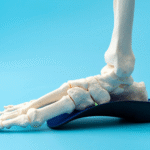
The musculoskeletal system consists of bones, muscles, tendons, ligaments, cartilage, and joints. Bones provide support and protect internal organs while storing essential minerals. Muscles allow movement and generate strength. Tendons connect muscles to bones, transmitting the force required for motion. Ligaments stabilize joints, preventing dislocation, and cartilage ensures smooth, pain-free joint movement. Together, these components maintain posture, balance, and physical performance. Damage to any part of this system can compromise mobility, leading to pain and disability.
Common Orthopedic Conditions
Fractures
A fracture is a break or crack in the bone caused by trauma, overuse, or weakened bone structure. Symptoms include pain, swelling, bruising, and impaired movement. Treatment depends on fracture type and location and may involve immobilization with casts or splints, traction, or surgical fixation using pins, plates, or rods.
Arthritis
Arthritis is a chronic inflammatory condition of the joints. Osteoarthritis results from cartilage wear and tear, while rheumatoid arthritis is an autoimmune disorder. Symptoms include pain, stiffness, swelling, and limited range of motion. Chronic arthritis can cause joint deformity and reduce functional capacity.
Osteoporosis
Osteoporosis is characterized by decreased bone density, making bones fragile and more susceptible to fractures. It often progresses silently until a fracture occurs. Risk factors include age, hormonal changes, sedentary lifestyle, and nutritional deficiencies. Diagnosis is made through bone density scanning, and treatment includes calcium and vitamin D supplementation, medications, and weight-bearing exercise.
Spinal Disorders
Back pain is a common complaint caused by herniated discs, degenerative disc disease, scoliosis, spinal stenosis, or muscular strain. Symptoms include chronic pain, numbness, weakness, and reduced mobility. Proper assessment and treatment, including physical therapy, medications, and surgery in severe cases, are essential for recovery.
Sports Injuries
Sports-related injuries include ligament tears, tendonitis, muscle strains, meniscus injuries, and joint sprains. Immediate care, proper diagnosis, and structured rehabilitation are essential to restore function, prevent recurrence, and optimize athletic performance.
Joint Dislocations
Dislocations occur when the bones in a joint are forced out of alignment. Commonly affected joints include shoulders, elbows, and fingers. Symptoms include pain, swelling, deformity, and inability to move the joint. Prompt reduction by an orthopedic specialist is critical to prevent long-term damage.
Tendon and Ligament Disorders
Tendonitis and ligament injuries result from overuse or trauma. Pain, swelling, and reduced strength are common. Treatment includes rest, anti-inflammatory medications, physiotherapy, and sometimes surgical repair for severe tears.
Congenital Orthopedic Disorders
Congenital abnormalities like clubfoot, hip dysplasia, and scoliosis require early orthopedic intervention. Management may include casting, bracing, or corrective surgery to ensure normal growth and functional outcomes.
Symptoms Requiring Immediate Orthopedic Attention
Severe pain following injury, deformity, inability to move a limb, swelling, numbness, persistent joint pain, repeated dislocations, or chronic stiffness should prompt consultation with an orthopedic specialist. Early intervention reduces the risk of permanent damage.
Diagnostic Procedures in Orthopedics
X-rays
X-rays are used to detect fractures, dislocations, bone abnormalities, and degenerative changes in joints.
Magnetic Resonance Imaging
MRI provides detailed images of soft tissues, including muscles, ligaments, tendons, cartilage, and spinal structures. It is essential for diagnosing ligament injuries, disc herniation, and soft tissue tumors.
CT Scan
CT scans provide 3D images of complex fractures, bone tumors, and spinal abnormalities.
Bone Density Tests
These scans assess bone strength, diagnose osteoporosis, and evaluate fracture risk.
Ultrasound
Ultrasound evaluates soft tissue injuries, joint effusions, tendon tears, and inflammation.
Laboratory Tests
Blood tests help identify autoimmune disorders, infections, or metabolic conditions affecting bone and joint health.
Treatment Options in Orthopedics
Conservative Management
Rest, ice, compression, elevation (RICE), braces, splints, and anti-inflammatory medications are used for mild injuries or early-stage musculoskeletal disorders.
Physical Therapy
Rehabilitation improves strength, flexibility, balance, and joint function. Structured exercises and manual therapy prevent stiffness and enhance recovery after injury or surgery.
Medications
Pain relievers, NSAIDs, corticosteroids, and disease-modifying drugs are used depending on the underlying condition.
Surgical Interventions
Surgical options include fracture fixation, joint replacement, arthroscopic procedures, spinal surgery, tendon repair, and correction of congenital deformities. Surgery is reserved for severe injuries, persistent pain, or conditions unresponsive to conservative management.
Rehabilitation and Post-Surgical Recovery
Rehabilitation is essential after surgery or severe injury. A structured plan of physiotherapy, mobility exercises, and gradual strength training restores function and prevents long-term complications. Compliance with rehabilitation protocols is vital for optimal outcomes.
Preventive Measures for Musculoskeletal Health
Adequate intake of calcium, vitamin D, and protein supports bone and muscle health. Regular weight-bearing exercises strengthen bones and joints. Maintaining proper posture, avoiding repetitive strain, and using protective gear during sports reduce injury risk. A balanced lifestyle, including sufficient sleep and stress management, supports tissue repair and recovery. Early detection and treatment of minor injuries prevent chronic conditions.
Lifestyle and Orthopedic Wellness
Lifestyle factors such as diet, physical activity, and ergonomics directly influence orthopedic health. Stretching, yoga, and low-impact exercises improve flexibility and reduce injury risk. Maintaining healthy body weight reduces stress on joints and bones. Avoiding smoking and excessive alcohol protects bone density. Proper work ergonomics and lifting techniques prevent chronic musculoskeletal strain.
When to Consult an Orthopedic Specialist
Orthopedic consultation is necessary if an individual experiences persistent joint pain, swelling, deformity, limited mobility, repeated injuries, severe trauma, or post-operative complications. Timely medical care ensures proper healing, reduces the risk of long-term disability, and maintains mobility.
Conclusion
Orthopedic health is essential for preserving mobility, independence, and quality of life. Understanding musculoskeletal conditions, recognizing symptoms, using diagnostic tools effectively, and adhering to treatment plans ensures long-term physical function. A combination of medical care, rehabilitation, preventive strategies, and healthy lifestyle practices strengthens bones, joints, and muscles. Prioritizing orthopedic wellness allows individuals to lead active, pain-free lives, enhancing overall well-being and longevity.