Skin Care, Disorders, Treatments, and Long-Term Wellness
December 1, 2025
Orthopedic Disorders and Treatments: Ensuring Long-Term Musculoskeletal Health
December 1, 2025
Introduction
Orthopedics is the branch of medicine that deals with the diagnosis, prevention, and treatment of disorders of the bones, joints, ligaments, tendons, muscles, and spine. The musculoskeletal system provides structure, stability, mobility, and support for the body. Injuries, diseases, or age-related degeneration in this system can severely affect mobility, independence, and overall quality of life. Orthopedic care addresses acute injuries like fractures, chronic conditions like arthritis, congenital deformities, and post-surgical rehabilitation. A proper understanding of orthopedic health is crucial for maintaining mobility, preventing injuries, and ensuring long-term wellness.
The Musculoskeletal System: Structure and Function
The human musculoskeletal system consists of bones, joints, muscles, tendons, ligaments, and cartilage. Bones provide structural support, protect organs, and store minerals like calcium and phosphorus. Joints connect bones and allow flexibility and movement. Muscles contract to facilitate motion, while tendons attach muscles to bones. Ligaments stabilize joints, and cartilage reduces friction, allowing smooth movement. A healthy musculoskeletal system ensures balance, posture, and efficient physical performance. Any disruption—whether from trauma, wear and tear, or disease—can lead to pain, reduced mobility, and long-term disability.
Common Orthopedic Conditions
Fractures
A fracture occurs when a bone breaks due to trauma, stress, or underlying weakness. Symptoms include severe pain, swelling, bruising, and inability to move the affected area. Treatment varies from immobilization with casts or splints to surgical fixation using plates, screws, or rods.
Arthritis
Arthritis is inflammation of one or more joints. Osteoarthritis is caused by wear and tear of cartilage, while rheumatoid arthritis is an autoimmune condition. Symptoms include pain, swelling, stiffness, and reduced range of motion. Chronic arthritis can lead to joint deformities and decreased function.
Osteoporosis
Osteoporosis is a condition characterized by reduced bone density and increased fragility. It often remains asymptomatic until a fracture occurs. Women after menopause and older adults are at high risk. Diagnosis is done through bone density scans, and treatment includes medications, calcium, vitamin D, and lifestyle changes.
Back Pain and Spinal Disorders
Back pain is one of the most common musculoskeletal complaints. Causes include herniated discs, spinal stenosis, degenerative disc disease, scoliosis, poor posture, and muscular strain. Persistent back pain can interfere with daily life and requires proper assessment through physical examination and imaging.
Sports Injuries
Sports and physical activities often result in sprains, strains, tendonitis, meniscus tears, and ligament injuries. Proper training, warm-ups, and protective equipment reduce risk. Rehabilitation is essential to restore strength, flexibility, and prevent re-injury.
Joint Injuries and Ligament Damage
Ligament injuries, such as ACL tears in the knee, can significantly impair joint stability. Symptoms include pain, swelling, popping sounds, and inability to bear weight. Treatment includes rest, physical therapy, and sometimes surgical repair.
Congenital Disorders
Conditions present from birth, such as clubfoot, hip dysplasia, or scoliosis, require early intervention. Orthopedic management may include corrective casting, bracing, or surgery to ensure proper growth and function.
Tendon and Muscle Disorders
Tendinitis and muscle strains result from overuse, repetitive motion, or sudden stress. Symptoms include localized pain, swelling, and weakness. Early rest, physiotherapy, and targeted exercises promote recovery.
Symptoms That Require Immediate Orthopedic Evaluation
Red flags include severe pain following trauma, inability to move a limb, deformity, swelling, numbness, persistent joint pain, recurrent dislocations, and chronic stiffness. Early evaluation by an orthopedic specialist prevents long-term disability and complications.
Diagnostic Tools in Orthopedics
X-rays
X-rays are the first-line imaging for detecting fractures, joint alignment, bone deformities, and degenerative changes.
MRI
Magnetic Resonance Imaging provides detailed images of soft tissues including muscles, ligaments, cartilage, and tendons. It is essential for diagnosing ligament tears, disc herniation, and tendon injuries.
CT Scan
CT scans offer a three-dimensional view of complex fractures, spinal abnormalities, and joint damage.
Bone Density Scan
Bone densitometry measures bone strength to diagnose osteoporosis and fracture risk.
Ultrasound
Ultrasound helps assess soft tissue injuries, joint effusions, tendon tears, and inflammation.
Laboratory Tests
Blood tests detect autoimmune conditions, infections, and metabolic disorders affecting bones and joints.
Treatment Options in Orthopedics
Conservative Management
Mild injuries and early-stage conditions often respond to rest, ice, compression, elevation (RICE), anti-inflammatory medications, pain relievers, braces, and splints.
Physical Therapy
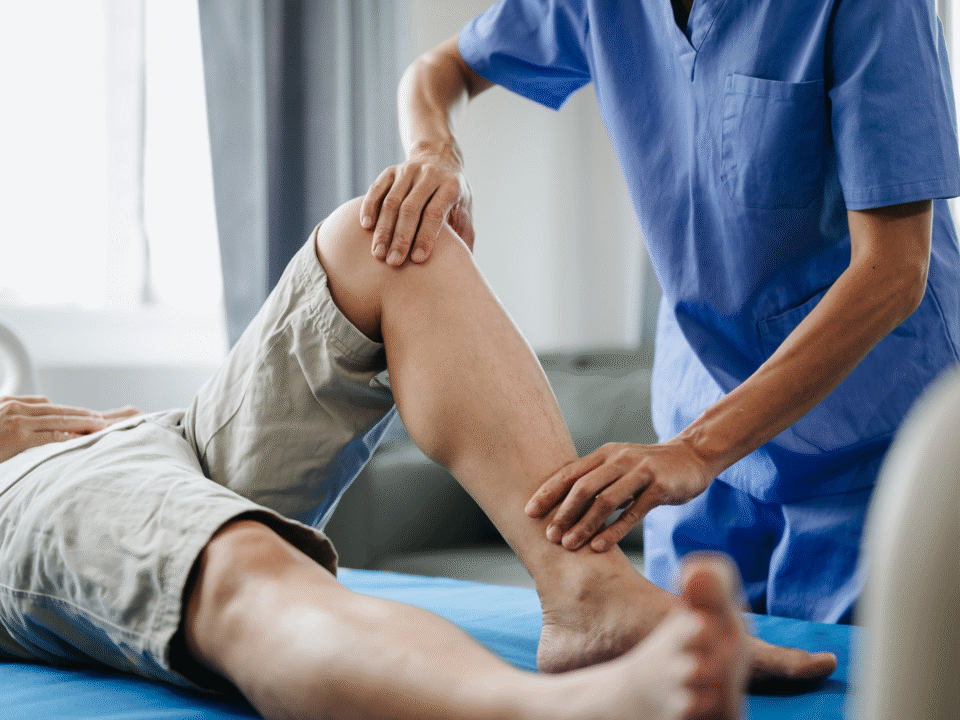
Physical therapy improves strength, flexibility, balance, and joint function. It is essential after fractures, surgeries, or chronic musculoskeletal conditions.
Medications
Analgesics, non-steroidal anti-inflammatory drugs (NSAIDs), corticosteroids, and disease-modifying drugs are used depending on the condition.
Surgical Interventions
Surgical options include fracture fixation, joint replacement, arthroscopy, spinal surgery, tendon repair, and deformity correction. Surgery is considered when conservative management fails or in severe injuries.
Rehabilitation and Recovery
Rehabilitation is a critical part of orthopedic care. Structured physiotherapy, gradual mobilization, and functional exercises prevent stiffness, restore mobility, and strengthen the musculoskeletal system. Compliance with rehab protocols determines long-term outcomes.
Preventive Strategies for Orthopedic Health
Maintaining bone and joint health requires adequate nutrition including calcium, vitamin D, and protein. Regular weight-bearing exercises strengthen bones and muscles. Avoiding smoking, excessive alcohol, and sedentary lifestyle reduces risk of fractures and osteoporosis. Protective gear during sports, proper ergonomics at work, and safe lifting techniques prevent injuries. Early detection of minor issues prevents chronic conditions.
Role of Lifestyle in Orthopedic Wellness
A balanced lifestyle including exercise, proper posture, and ergonomic practices is essential for orthopedic health. Stretching, yoga, and low-impact aerobic exercises improve flexibility and reduce injury risk. Maintaining ideal body weight minimizes stress on joints. Adequate sleep and stress management help in tissue repair and recovery. Avoiding repetitive strain and sudden high-impact activities protects ligaments and tendons.
When to Consult an Orthopedic Specialist
Individuals should seek an orthopedic consultation if they experience chronic joint pain, swelling, deformity, mobility limitations, repeated injuries, severe trauma, or post-surgical complications. Early intervention can prevent permanent damage and enhance quality of life.
Conclusion
Orthopedic health is vital for maintaining mobility, independence, and overall well-being. Understanding common musculoskeletal conditions, recognizing symptoms early, using diagnostic tools effectively, and adhering to proper treatment plans ensures long-term musculoskeletal wellness. A combination of medical care, rehabilitation, preventive measures, and lifestyle modifications forms the foundation of orthopedic health. Strong bones, flexible joints, and resilient muscles allow individuals to lead active, pain-free lives well into old age.