Dermatology: A Complete Guide to Skin Health and Common Skin Conditions
December 1, 2025
Understanding Bones, Joints, and Musculoskeletal Disorders
December 1, 2025
Introduction
Dermatology is the study and treatment of conditions related to the skin, hair, and nails. Since the skin is the body’s first line of defense against bacteria, pollutants, heat, cold, and harmful UV rays, keeping it healthy is essential. Dermatology also plays a major role in cosmetic appearance, confidence, and emotional well-being. Skin problems can impact daily life, sleep, mood, and self-esteem. This article explains skin function, common disorders, causes, diagnosis, prevention, and treatment options to help maintain long-term skin health.
The Importance of Skin and Its Functions
The skin performs several important tasks. It protects internal organs from physical damage and infection. It regulates body temperature through sweat and blood vessel expansion. It prevents dehydration by retaining moisture. Nerves in the skin allow us to feel touch, pressure, heat, and pain. The skin also reflects the body’s nutritional status, hormonal balance, and immune function. When any internal system becomes disturbed, the skin often shows early signs such as acne, rashes, or dryness. Therefore, dermatology is deeply connected to general health.
Common Skin Disorders
Acne Vulgaris
Acne is caused when excess oil, bacteria, and dead skin cells block pores. Hormonal changes, stress, genetics, cosmetics, and poor hygiene may worsen it. Blackheads, whiteheads, papules, pustules, nodules, and cysts appear mostly on the face, chest, and back. Severe acne can lead to scars if untreated.
Eczema
Eczema is an inflammatory skin condition that causes dry, itchy, cracked, and red skin. It is often triggered by allergens, weather, stress, or harsh soaps. Eczema can flare up repeatedly and commonly affects children but may continue into adulthood.
Psoriasis
Psoriasis is a chronic immune disorder where skin cells grow too quickly, causing thick, silvery scales. The patches commonly appear on the scalp, knees, and elbows. Psoriasis is associated with systemic inflammation and may lead to joint problems.
Skin Infections
Bacterial infections such as cellulitis, impetigo, and folliculitis cause redness, pain, and swelling. Viral infections like herpes, warts, and chickenpox affect the skin’s appearance and sensitivity. Fungal infections such as ringworm and athlete’s foot thrive in warm, sweaty areas.
Pigmentation Disorders
Pigmentation issues occur when the skin produces too much or too little melanin. Melasma, sunspots, and post-inflammatory hyperpigmentation cause dark patches. Vitiligo results in white patches because pigment cells are destroyed.
Dermatitis
Contact dermatitis develops when the skin reacts to irritants or allergens. Symptoms include itching, burning, redness, and blisters. Chemicals, metals, fragrances, and skincare products are common triggers.
Skin Cancer
Skin cancer occurs when skin cells grow abnormally due to UV damage. Basal cell carcinoma and squamous cell carcinoma grow slowly, while melanoma is dangerous and spreads quickly. Early detection is crucial.
Symptoms of Skin Problems
Skin disorders may present through itchy patches, redness, bumps, dryness, cracking, fluid-filled blisters, rough texture, discoloration, burning sensation, or unexplained hair loss. Some conditions cause swelling, bleeding, or non-healing sores. Changes in moles such as irregular shape, growth, or color variation can signal danger. Persistent symptoms lasting longer than two weeks should be evaluated.
Causes Behind Skin Issues
Skin problems may result from multiple factors. Hormonal changes cause acne and pigmentation. Allergies lead to rashes and dermatitis. Poor diet lacking vitamins affects elasticity and glow. Stress triggers eczema and psoriasis flare-ups. Harsh environments damage the skin barrier. UV exposure accelerates aging, wrinkles, and cancer. Using the wrong skincare products disrupts pH balance. Genetics determine susceptibility to chronic skin diseases. Microbial infections spread due to moisture and poor hygiene.
Diagnostic Methods in Dermatology
Skin Examination
Dermatologists visually inspect affected areas to assess color, shape, texture, and pattern.
Dermatoscopic Evaluation
With dermatoscopy, doctors study pigmented lesions and moles using magnification to detect abnormalities.
Skin Biopsy
A small skin sample is removed and examined under a microscope to diagnose cancer, infections, or inflammatory diseases.
Patch Testing
Patch tests detect allergens responsible for contact dermatitis.
Blood Tests
Hormone levels, autoimmune markers, and nutritional deficiencies are evaluated through blood tests.
Imaging Tests
Ultrasound and other scans may be used for deep nodules or suspected tumors.
Dermatology Treatment Options
Topical Medications
Creams, ointments, and gels are commonly used to treat acne, psoriasis, eczema, infections, and inflammation. Ingredients include retinoids, corticosteroids, salicylic acid, antibiotics, antifungals, and moisturizers.
Oral Medication
Oral antibiotics, antifungals, antihistamines, hormonal treatments, and immunosuppressants are prescribed depending on severity. Isotretinoin is used for severe acne.
Light and Laser Therapy
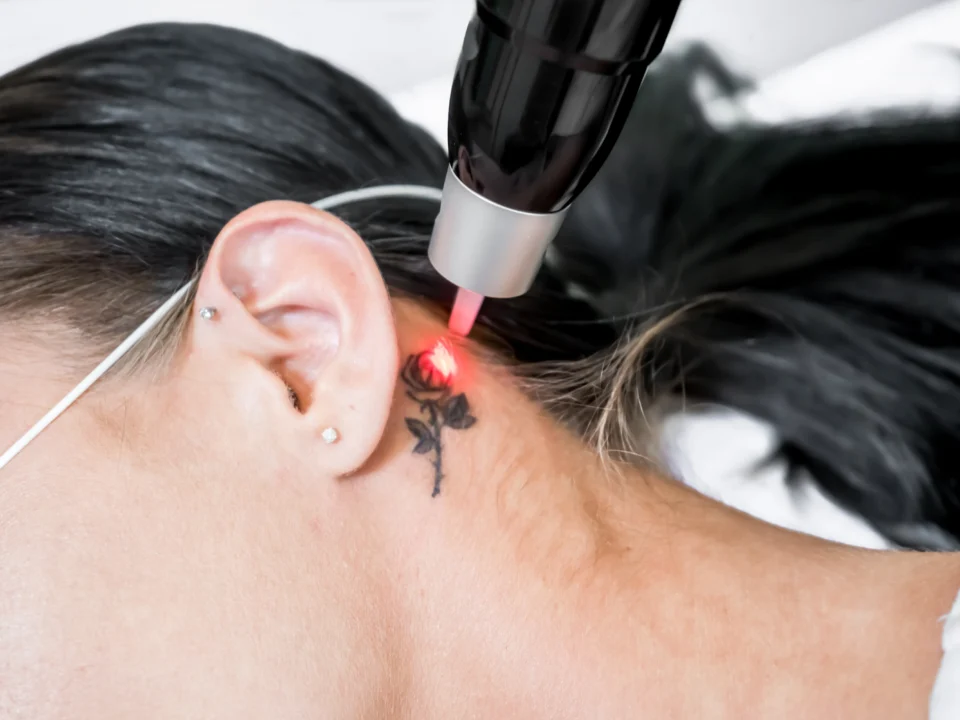
Laser treatments target pigmentation, scars, facial veins, and wrinkles. Light therapy helps psoriasis and eczema by reducing inflammation.
Chemical Peels
Chemical peels exfoliate damaged layers and improve acne scars, dark spots, and uneven skin tone.
Microneedling
Microneedling stimulates collagen production, improving texture, scars, and fine lines.
Cryotherapy
Liquid nitrogen freezes and removes warts, skin tags, and abnormal lesions.
Cosmetic Dermatology
Dermatology also includes cosmetic treatments such as fillers, Botox, PRP therapy, and skin rejuvenation procedures for anti-aging and aesthetic enhancement.
Daily Skincare Routine
A consistent routine includes cleansing twice daily to remove dirt and oil. Moisturizing keeps the skin barrier intact. Sunscreen should be applied every morning regardless of weather to prevent sun damage. Exfoliating weekly removes dead skin cells. Hydrating the body with water maintains glow and elasticity. Choosing non-comedogenic and fragrance-free products reduces irritation risks.
Diet and Nutrition for Healthy Skin
A diet rich in antioxidants, vitamins, and minerals promotes skin health. Vitamin C supports collagen production. Vitamin E protects from oxidative damage. Omega-3 fatty acids reduce inflammation. Zinc helps heal acne. Probiotics improve gut-skin connection. Drinking water maintains hydration. Avoiding sugary foods and excessive dairy reduces breakouts.
Preventing Skin Disorders
Good hygiene, stress control, sun protection, adequate sleep, and avoiding harsh chemicals prevent many skin issues. Changing pillowcases regularly, not sharing personal items, and maintaining clean environments reduce infections. Using suitable skincare for your skin type is essential.
When to Consult a Dermatologist
Seek professional help if you experience persistent acne, spreading pigmentation, severe itching, painful rashes, hair thinning, suspicious moles, or recurring infections. Early diagnosis ensures effective treatment and prevents complications.
Conclusion
Dermatology is essential for maintaining healthy skin, hair, and nails. Understanding common skin conditions, adopting proper daily routines, using suitable products, and maintaining a balanced lifestyle can prevent or manage most skin issues. Dermatologists play a crucial role in diagnosing and treating both medical and cosmetic concerns. With the right care and timely medical support, long-term skin health and confidence can be achieved.