Gastroenterology: Understanding Disorders, Diagnosis, and Treatment
December 1, 2025
Skin Care, Disorders, Treatments, and Long-Term Wellness
December 1, 2025
Introduction to Dermatology
Dermatology is the branch of medicine that focuses on the skin, hair, and nails. The skin is the largest organ of the human body and acts as a protective barrier against infection, UV rays, pollution, chemicals, and dehydration. Healthy skin is not just about appearance; it reflects internal health, hormonal balance, immunity, and lifestyle habits. Dermatology also covers cosmetic skin care, aging, pigmentation, infections, and chronic skin conditions. Because skin problems affect confidence and mental health, understanding dermatology is essential for overall well-being. This article explains how the skin works, common dermatological conditions, diagnostic methods, treatment options, and long-term skin care guidelines.
Understanding the Structure and Function of Skin
The skin is made up of three layers. The epidermis is the outermost layer and protects against bacteria, chemicals, and UV radiation. It contains melanocytes that produce melanin, the pigment responsible for skin color. The dermis is the middle layer and contains collagen, sweat glands, hair follicles, and blood vessels. It maintains elasticity and hydration. The hypodermis is the deepest layer made of fat, providing insulation and shock absorption. Each layer has a unique function, and any disruption can cause skin problems such as dryness, wrinkles, infection, or inflammation.
Why Skin Health Matters
Healthy skin prevents infections, regulates body temperature, supports immunity, and maintains water balance. It also plays a major role in confidence and mental health. Skin diseases often cause emotional stress, embarrassment, and social anxiety. Many internal problems such as hormonal imbalance, immune disorders, digestive issues, and vitamin deficiencies show their first signs on the skin. Therefore, skin care is not only cosmetic but a vital part of physical health.
Major Dermatological Conditions
Acne
Acne is one of the most common skin problems, especially among teenagers and young adults. It occurs when pores become clogged with oil, bacteria, and dead skin cells. Hormonal changes, stress, poor diet, genetics, and skincare misuse can worsen acne. It appears as blackheads, whiteheads, pimples, cysts, and nodules. Severe untreated acne can lead to permanent scarring.
Eczema (Atopic Dermatitis)
Eczema is a chronic inflammatory skin condition characterized by itching, redness, and dryness. It often appears on the hands, elbows, and behind the knees. Environmental triggers, allergies, stress, and genetics contribute to eczema flare-ups. Continuous scratching can lead to thick, cracked skin.
Psoriasis
Psoriasis is an autoimmune disorder where skin cells multiply rapidly, creating thick, scaly patches. These patches usually appear on elbows, knees, and scalp. It is not contagious but can be lifelong. The condition is associated with inflammation and may increase the risk of arthritis.
Rosacea
Rosacea causes redness, flushing, and visible blood vessels on the face. It often affects adults and may cause acne-like bumps. Triggers include sunlight, spicy foods, stress, and extreme temperatures. Without treatment, rosacea can worsen over time.
Fungal Infections
Fungal infections such as ringworm, athlete’s foot, and yeast infections occur in warm and moist areas. They cause redness, itching, and peeling. Poor hygiene, sweat, sharing personal items, and humid weather increase the risk.
Pigmentation Disorders
Hyperpigmentation occurs when the skin produces excess melanin, leading to dark patches. Melasma, sunspots, and post-inflammatory marks are common types. Sun exposure, hormones, skin injury, and certain medications can cause pigmentation problems.
Vitiligo
Vitiligo is a condition where skin loses its pigment due to the destruction of melanocytes. It appears as white patches on the skin. Although harmless, it has a major emotional and psychological impact.
Skin Allergies
Allergic reactions occur when the skin reacts to substances such as cosmetics, fragrances, metals, or chemicals. Symptoms include redness, itching, swelling, and rashes.
Skin Cancer
Skin cancer is caused by uncontrolled growth of abnormal skin cells. The main types are basal cell carcinoma, squamous cell carcinoma, and melanoma. Excessive UV exposure is the major cause. Early detection ensures successful treatment.
Signs and Symptoms That Should Not Be Ignored
Certain skin symptoms may indicate serious conditions. These include sudden or severe itching, skin thickening, unexplained rashes, moles that change in color or size, non-healing wounds, bleeding spots, painful bumps, or widespread redness. If any symptom lasts more than two weeks, professional evaluation is necessary.
Causes of Common Skin Problems
Skin problems may result from multiple factors. Hormonal fluctuations cause acne and pigmentation. Poor diet and dehydration lead to dullness and dryness. Stress triggers eczema and psoriasis flare-ups. Genetics influence hair fall and chronic skin disorders. Polluted environments clog pores and age the skin faster. UV exposure causes wrinkles, sunburn, and cancer. Improper skincare products disrupt the skin barrier and cause irritation. Infections spread due to poor hygiene or contact with contaminated items.
Diagnostic Methods in Dermatology
Physical Examination
Dermatologists examine the skin visually to identify patterns, color changes, and texture differences.
Dermatoscopy
A handheld magnification tool helps evaluate moles, pigmentation, and suspicious lesions closely.
Skin Biopsy
If a lesion looks abnormal, a small sample is taken for laboratory testing to detect cancer, infections, or inflammatory conditions.
Allergy Testing
Patch tests determine which substances cause allergic skin reactions.
Blood Tests
Blood tests check for autoimmune disorders, hormone imbalance, infections, and vitamin deficiencies that may affect skin health.
Treatment Options in Dermatology
Topical Treatments
Creams, gels, and ointments are used to treat acne, eczema, fungal infections, and inflammation. Ingredients such as retinoids, benzoyl peroxide, corticosteroids, antifungals, and antibiotics are commonly prescribed.
Oral Medications
Oral medicines include antibiotics for infection, antihistamines for allergies, isotretinoin for severe acne, and immunosuppressants for autoimmune disorders.
Procedural Dermatology
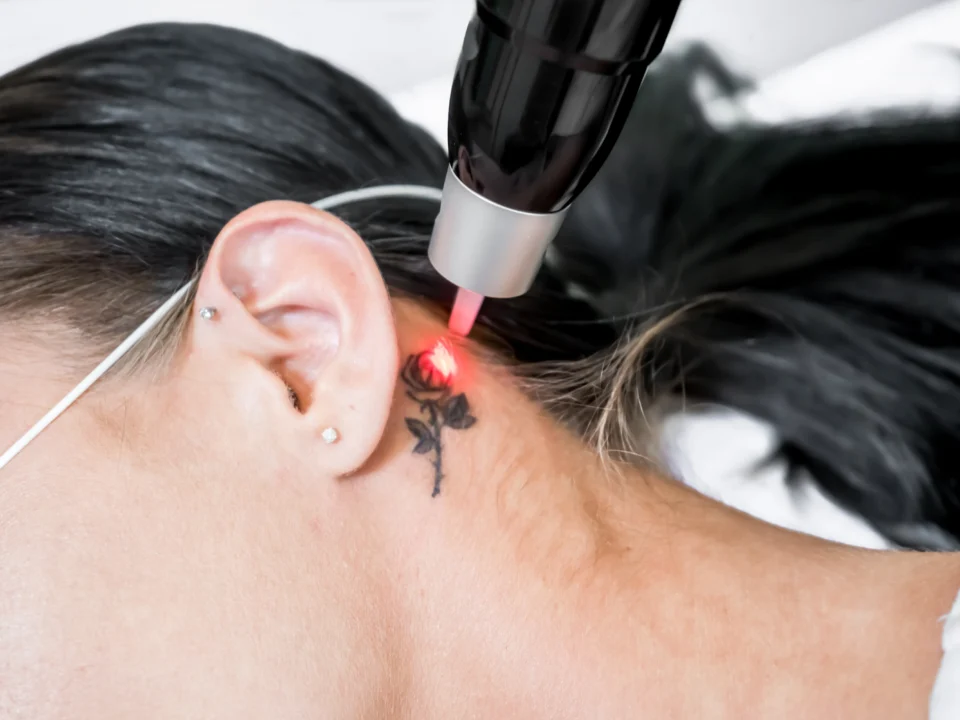
Chemical peels help reduce pigmentation and acne scars. Laser therapy is used for hair removal, scar reduction, and skin rejuvenation. Microneedling improves texture, elasticity, and collagen production. Cryotherapy freezes warts and abnormal tissue. Light therapy helps psoriasis and eczema.
Surgical Treatments
Dermatologic surgery includes mole removal, skin cancer excision, cyst removal, and advanced reconstructive procedures.
Daily Skin Care Routine for Healthy Skin
Maintaining a consistent skincare routine is key. Cleansing removes dirt and oil. Moisturizing keeps the skin barrier strong. Sunscreen protects against UV radiation and prevents aging, pigmentation, and cancer. Hydrating the body with water improves skin elasticity. A balanced diet with vitamins, minerals, and antioxidants boosts natural glow. Quality sleep and stress control also contribute to skin health.
Foods That Improve Skin Health
Certain foods nourish the skin from within. Fruits rich in vitamin C boost collagen. Leafy greens supply antioxidants. Nuts and seeds provide essential fatty acids. Yogurt improves gut health which directly affects the skin. Fish contains omega-3 fats that reduce inflammation. Drinking enough water keeps the skin hydrated and radiant.
Preventing Skin Problems
Prevention involves proper hygiene, avoiding harsh products, wearing sunscreen daily, managing stress, cleaning bedding regularly, avoiding touching the face, and using non-comedogenic products. Healthy lifestyle choices reduce the risk of chronic skin issues.
When to Visit a Dermatologist
You should seek a dermatologist’s help if you notice persistent acne, pigmentation that keeps spreading, hair fall, painful rashes, cracked skin, changing moles, or lumps under the skin. Early diagnosis prevents complications and ensures proper treatment.
Conclusion
Dermatology plays a vital role in overall health by protecting the skin, hair, and nails. Understanding skin conditions, recognizing symptoms early, choosing the right skincare routine, and seeking timely medical attention can improve both appearance and well-being. Healthy skin is not achieved through products alone but by balancing lifestyle, nutrition, and inner health. With proper care and awareness, most skin conditions can be prevented or effectively managed.