
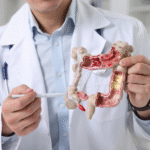
Gastroenterology: A Complete Guide to Digestive Health
December 1, 2025
Dermatology: A Complete Guide to Skin Health and Common Skin Conditions
December 1, 2025
Introduction
Gastroenterology is the branch of medicine dedicated to the digestive system, which includes the esophagus, stomach, small intestine, large intestine, rectum, liver, gallbladder, and pancreas. These organs work together to digest food, absorb nutrients, create energy, and remove toxins from the body. When any part of this system becomes disturbed, it affects not only digestion but also immunity, hormones, weight, and mental health. Millions of individuals worldwide experience digestive issues, making gastroenterology one of the most essential medical specialties today. This article provides a deep and clear understanding of gastrointestinal disorders, commonly seen symptoms, diagnostic methods, and treatment options.
The Structure and Function of the Digestive System
The digestive system performs several important functions. Food enters through the mouth, where chewing and saliva break it down. It then travels through the esophagus into the stomach, where acids convert it into a semi-liquid form. This mixture moves into the small intestine, where nutrients such as vitamins, minerals, and proteins are absorbed. The leftover waste passes into the large intestine, where water is absorbed and stool is formed. The liver supports digestion by detoxifying harmful substances and producing bile. The pancreas produces enzymes that help digest fats, proteins, and carbohydrates. The gallbladder stores bile and releases it during digestion. If any of these processes fail, digestive disorders arise.
Major Gastrointestinal Disorders
Gastroesophageal Reflux Disease
This condition occurs when stomach acid repeatedly flows back into the esophagus. It causes heartburn, chest pain, a sour taste, and difficulty swallowing. Chronic GERD can damage the lining of the esophagus and increase the risk of cancer.
Gastritis
Inflammation of the stomach lining is known as gastritis. It may result from stress, alcohol, infections, painkillers, or spicy foods. Common symptoms include burning pain, nausea, bloating, and loss of appetite.
Peptic Ulcers
Peptic ulcers are open sores that develop in the stomach or duodenum. They are often caused by H. pylori bacteria or long-term medication use. Sharp abdominal pain and indigestion are classic signs of ulcers.
Irritable Bowel Syndrome
IBS is a chronic disorder affecting the large intestine. People with IBS experience alternating constipation and diarrhea, abdominal cramps, gas, and bloating. The condition is strongly influenced by stress, diet, and gut bacteria.
Inflammatory Bowel Disease
IBD includes Crohn’s disease and ulcerative colitis, both involving long-term inflammation of the digestive tract. Symptoms include bloody stools, severe diarrhea, fever, weight loss, and fatigue. These conditions require long-term management.
Liver Diseases
The liver is essential for detoxification and metabolism. Fatty liver disease, hepatitis, and cirrhosis are common conditions that may affect this organ. Fatty liver often occurs due to unhealthy diet, obesity, and lack of exercise.
Gallbladder Disorders
Gallstones and gallbladder inflammation cause sudden upper abdominal pain, nausea, and vomiting. These problems are often triggered after eating oily or fatty foods.
Pancreatitis
Pancreatitis refers to inflammation of the pancreas. It can be acute or chronic and causes severe abdominal pain radiating to the back, fever, nausea, and digestion problems.
Warning Signs You Should Not Ignore
Persistent digestive symptoms should be taken seriously. Seek medical attention if you experience chronic acidity, unexplained weight loss, continuous abdominal pain, blood in stool, prolonged diarrhea, constant constipation, severe bloating, difficulty swallowing, or yellowing of the skin. These signs may indicate underlying diseases requiring urgent care.
Diagnostic Procedures in Gastroenterology
Upper Endoscopy
A small camera tube is inserted through the mouth to examine the esophagus, stomach, and upper small intestine. It helps identify ulcers, bleeding, inflammation, or bacterial infections.
Colonoscopy
This procedure allows the doctor to inspect the entire colon. It is used to detect polyps, cancer, inflammation, and bleeding sources.
Ultrasound and CT Scan
These imaging tests help identify problems in the liver, pancreas, gallbladder, and intestines. They are essential for diagnosing gallstones, pancreatitis, and tumors.
Laboratory Tests
Blood tests check for liver function, infection, inflammation, and nutritional deficiencies. Stool tests detect parasites, infections, and hidden blood.
Breath Tests
Breath tests help detect bacterial overgrowth and H. pylori infection.
Treatment Options for Digestive Disorders
Medication Therapy
Doctors prescribe antacids, proton pump inhibitors, antibiotics, anti-inflammatory medicines, probiotics, antispasmodics, and enzyme supplements depending on the condition. Medication helps reduce symptoms, treat infections, and heal internal damage.
Dietary Management
A healthy digestive-specific diet is essential for treatment. Patients are encouraged to eat easily digestible foods such as bananas, yogurt, rice, oatmeal, boiled vegetables, lean proteins, ginger, and peppermint. Foods to avoid include fried foods, caffeine, carbonated beverages, excessive spices, alcohol, and high-sugar foods.
Lifestyle Modifications
Proper sleep, hydration, regular meals, exercise, and stress management significantly improve digestive health. Eating slowly and chewing thoroughly help reduce bloating and indigestion.
Advanced Procedures and Surgery
Endoscopic procedures can remove polyps, stop bleeding, or open blocked passages. Surgery is used for severe ulcers, gallstones, advanced cancer, or chronic inflammation that does not respond to medication.
Prevention of Digestive Disorders
Prevention is always better than treatment. Maintaining a balanced diet, drinking enough water, avoiding overeating, limiting spicy and oily foods, controlling stress, exercising regularly, and avoiding smoking and alcohol can protect the digestive system. Routine medical checkups also help detect early signs of trouble.
When to See a Gastroenterologist
Visit a specialist if you have persistent digestive symptoms, severe abdominal pain, chronic GERD, unexplained weight loss, difficulty swallowing, bleeding, jaundice, or persistent changes in bowel habits. Early diagnosis prevents complications and ensures better recovery.
Conclusion
Gastroenterology plays a critical role in maintaining digestive and overall health. Understanding common disorders, symptoms, diagnosis, and treatment options helps individuals make informed decisions about their health. A strong digestive system boosts immunity, improves mood, regulates weight, and enhances long-term wellness. By following healthy eating habits, managing stress, and seeking timely medical care, you can maintain a healthy gut and prevent most gastrointestinal diseases.